
The African American History of Los Angeles Historic Context Statement Update is Currently Underway!
 In December 2025, the Getty Conservation Institute and the Los Angeles City Planning’s Office of Historic Resources selected Los Angeles based consultants South Environmental and NOMMO Cultural Strategies to collaborate on the refinement and expansion of the City’s 2018 African American History of Los Angeles Historic Context Statement.
What is AAHPLA?
AAHPLA builds on Getty’s earlier work with the City of LA, partnering since 2005 with LA City Planning’s Office of Historic Resources to create SurveyLA, the first citywide historic resources survey in Los Angeles and HistoricPlacesLA, a comprehensive inventory of the city’s historic resources.
AAHPLA intends to recognize and increase the representation of important places of African American heritage in the city of Los Angeles; help create strategies for selected African American communities that reflect ways they would like to see their local heritage recognized, interpreted, and protected; offer opportunities for a more diverse pool of professionals in the field of preservation; contribute to the broader reform of preservation at the local government level; and create a model for how this work can be done in and with other neighborhoods and cultures that have been underrecognized and excluded.
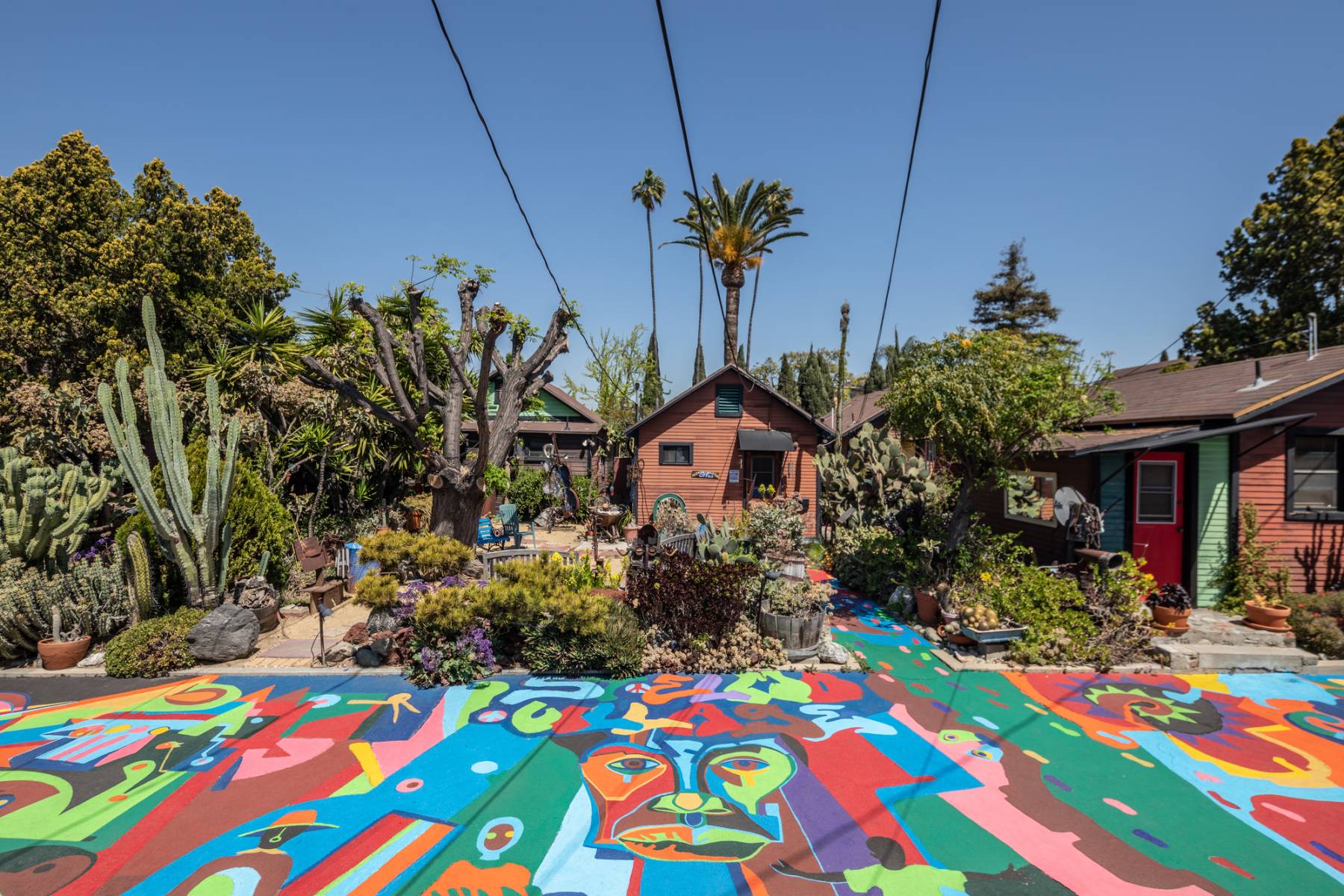
Figure 1. St. Elmo’s Village, Designated a Historic-Cultural Monument in 2025 Photo: Elizabeth Daniels. © J. Paul Getty Trust
As of 2026, approximately 1,360 sites have been designated as City Historic-Cultural Monuments (HCMs). Including the following recent designations:
- Tom and Ethel Bradley Residence (West Adams)
- StylesVille Barbershop & Beauty Salon (Pacoima)
- Elmo Village (Mid City)
- Jewel’s Catch One (Mid-City)
- New Bethel Baptist Church (Venice)
- Greater Community Missionary Baptist Church (Pacoima)
- California Eagle Offices (Historic Central Avenue)
What is the African American Historic Context Statement?
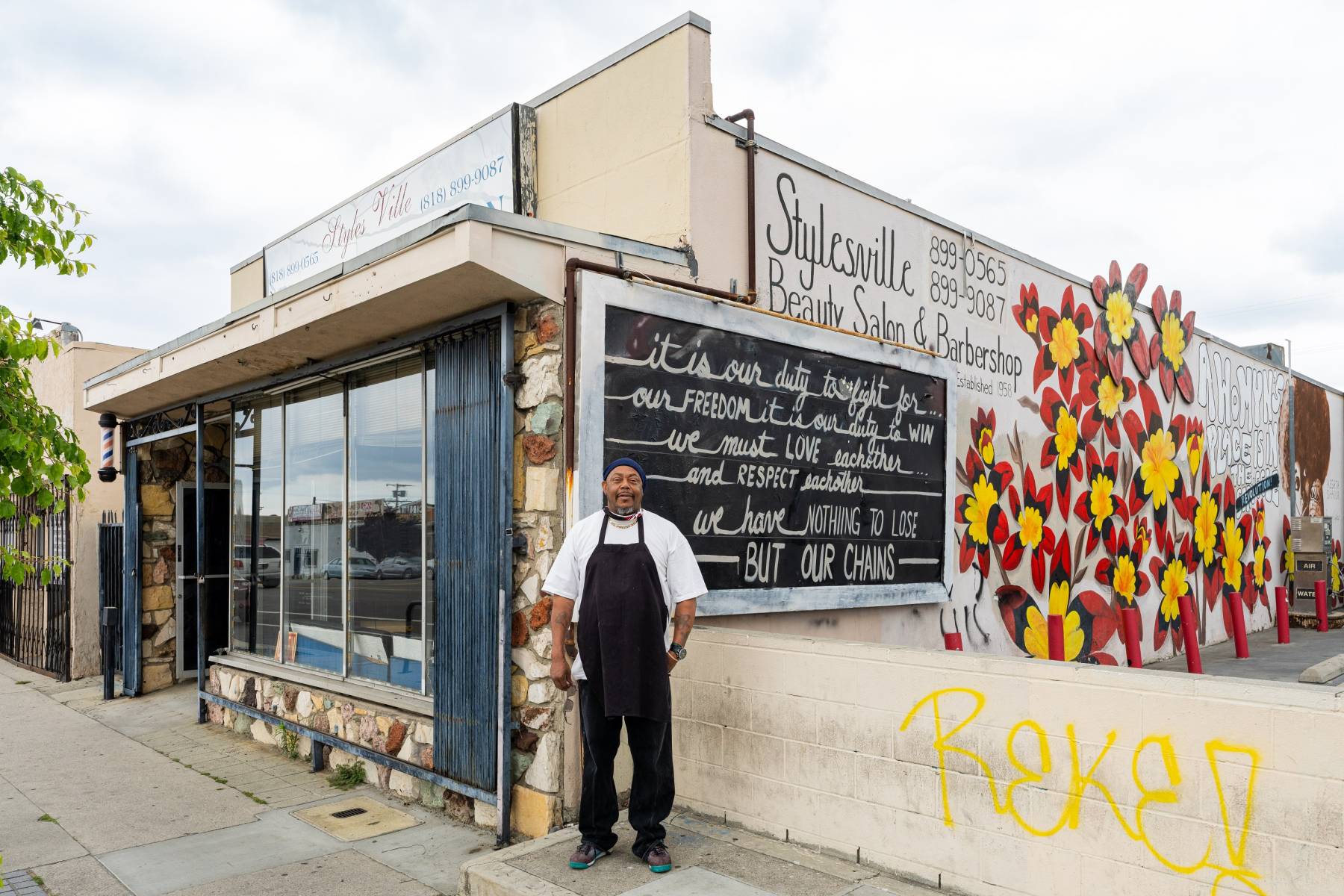
Figure 2. Gregory Faucett, owner/operator of StylesVille Barbershop & Beauty Salon, Designated a Historic-Cultural Monument in 2025. Photo: © 2023 J. Paul Getty Trust
SurveyLA was the largest municipal historic resources survey in the nation, surveying over 880,000 land parcels throughout the City of LA and producing ten ethnic-cultural context documents. In 2018 the African American History of Los Angeles Historic Context Statement was completed, which identified important people, themes, and properties associated with Los Angeles’ Black history. The document also established a framework for identifying and evaluating properties in the future.
Why is the African American History of LA Historic Context Statement being updated?
The update to the Historic Context Statement aims to build on the success of the 2018 document by incorporating meaningful community engagement to explore additional themes, events, and places important to Black history in Los Angeles. The updated Historic Context Statement is being undertaken with community engagement and holistic representation at its heart. Community engagement will be designed to reach as many people as possible through a variety of communication formats including social media, radio, local newspapers, and small-group meet-ups. By meeting community members where they are and building strong relationships through meaningful engagement and intentional listening, the updated Historic Context Statement will be able to truly capture the heart and soul of the Black community and advance the larger AAHPLA project.
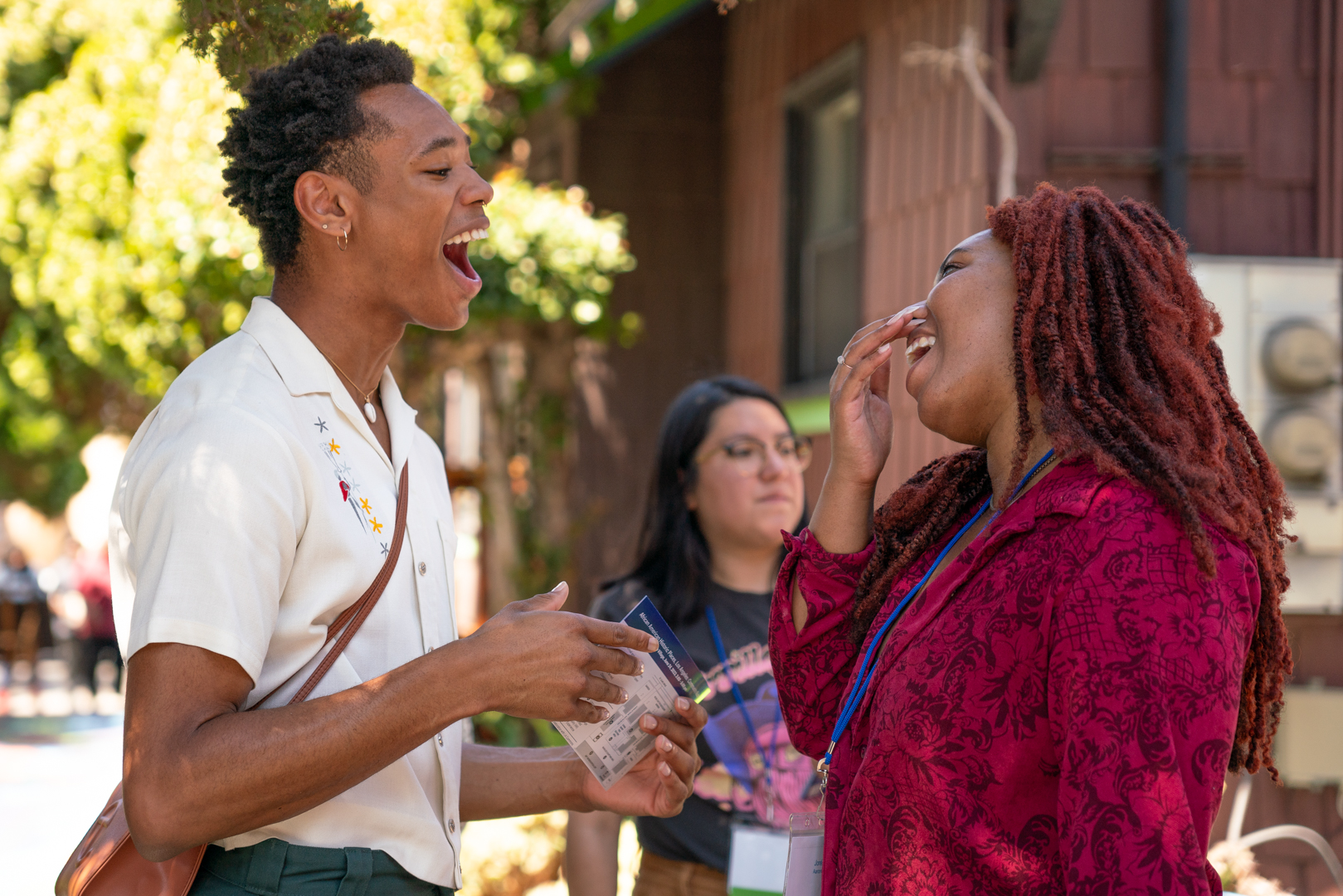
Figure 3. Guests enjoy conversation at AAHPLA Kickoff at St. Elmo Village in 2023. Designated a Historic-Cultural Monument in 2025. Photo: Momodu Mansaray. © J. Paul Getty Trust
The project will also expand upon the themes identified in the 2018 document, based on community feedback and intensive research. It is through the expansion of themes that the project team will not only recognize and celebrate the lives and accomplishments of Black Angelenos but also acknowledge the historical struggles that have confronted the Black community throughout the City’s history. By expanding on historic themes through enhanced community engagement, it is anticipated that many additional cultural resources within the Black community will be identified for potential designation as City HCMs. Thereby preserving aspects of LA’s physical history that could otherwise be lost.
How can I learn more and get involved?
This phase of the AAHPLA project is just getting started and there will be updates in the coming months. If you would like to learn more, please check out any or all of the resources below:
- Check out the AAHPLA website and sign up for project updates using this link: https://gty.art/46b228C1
- Take the AAHPLA Community Survey using this link: https://bit.ly/4aDHjeI
- Review the City’s current African American History of Los Angeles Historic Context Statement that was released in 2018 using this link: https://bit.ly/3ZIV2My1
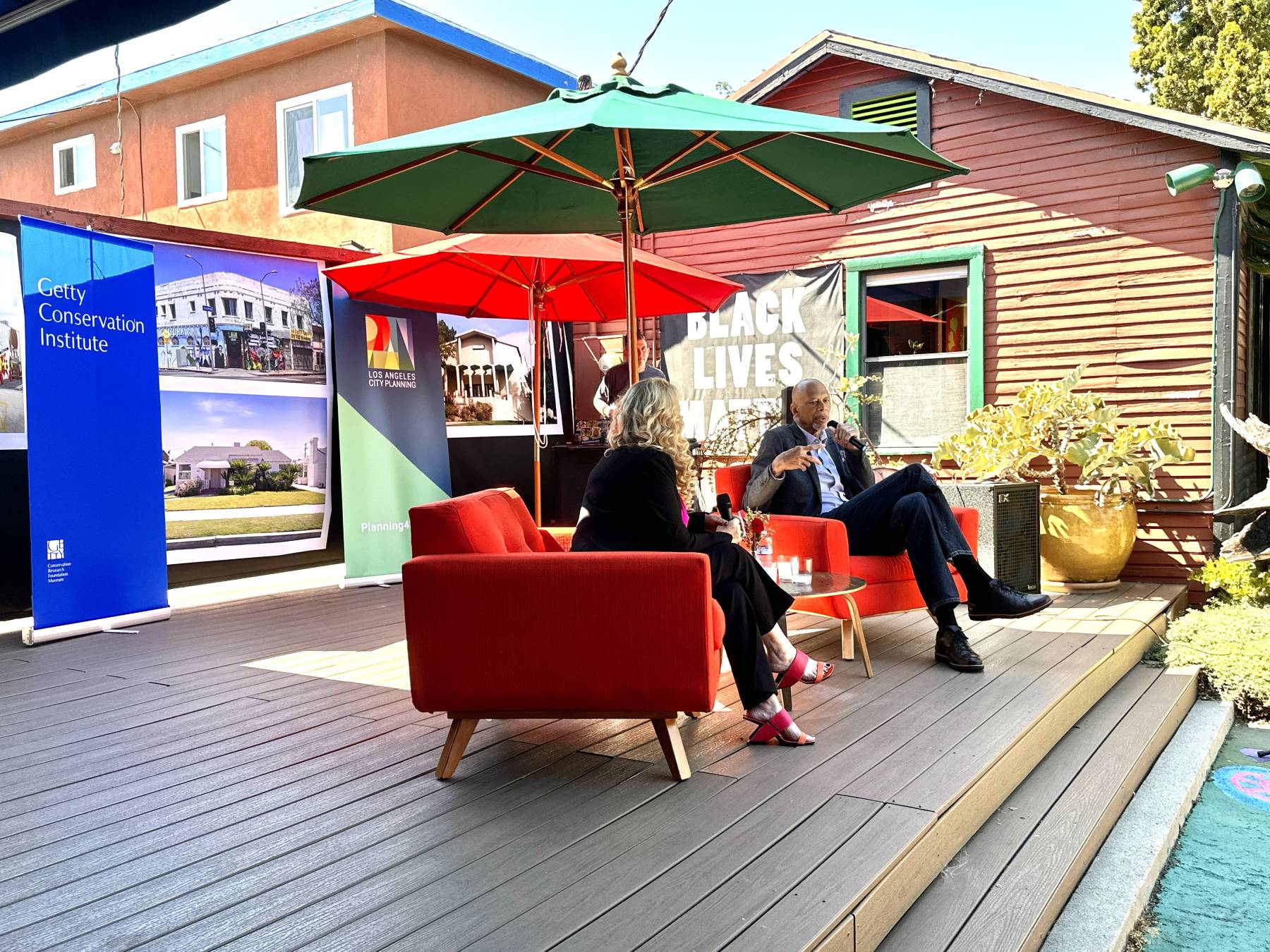 Figure 4. Kareem Abdul-Jabar and Deborah Morales in conversation at AAHPLA Kickoff at St. Elmo Village in 2023. Designated a Historic-Cultural Monument in 2025. Photo: Momodu Mansaray. © J. Paul Getty Trust
About the Author
 Sarah Corder is the vice president and principal architectural historian at South Environmental with over 20 years’ experience working throughout the United States in all elements of cultural resources management, including project management, community engagement, intensive-level field investigations, citywide survey, architectural history studies, and historical significance evaluations in consideration of the National Register of Historic Places (NRHP), California Register of Historical Resources (CRHR), and local-level evaluation criteria.
Sarah has conducted thousands of historical resource evaluations and developed detailed historic context statements for a multitude of property types and architectural styles. She has also provided expertise on numerous projects requiring conformance with the Secretary of the Interior’s Standards for the Treatment of Historic Properties.
Sarah meets the Secretary of the Interior’s Professional Qualification Standards for both Architectural History and History. She has experience preparing environmental compliance documentation in support of projects that fall under the CEQA/NEPA, and Sections 106 and 110 of the NHPA. Sarah has also extensive experience with Federal Historic Preservation Tax Credit applications, HABS documentation, and multiple NRHP nominations.
