
Saving Neon: How Community Advocacy Keeps Historic Signs Glowing
San Francisco's historic neon signs have evolved from advertising to vibrant landmarks, works of public art, and neighborhood icons. Vintage signs are living reminders of the communities and small businesses that shape a city. In this illustrated talk, SF Neon founders and authors Randall Ann Homan and Al Barna share their own evolution as photographers documenting San Francisco's neon signs in their book, San Francisco Neon, then forming a nationally-recognized preservation effort dedicated to protecting these glowing pieces of our cultural landscape.
Through stories of legacy businesses, sign sleuthing, and grassroots advocacy, SF Neon shows how historic signs connect people to place. Participants will learn the basics of how neon works and the quirky history of this 100-year old technology. Drawing on more than a decade of preservation work and information sharing, their guidebook Saving Neon demonstrates the best practices for a successful neon restoration. The program will also highlight practical tools for building local support and how everyday residents can become preservation advocates. Neon knowledge and community passion are the key ingredients to save neon landmarks and the stories they illuminate.
About SF Neon
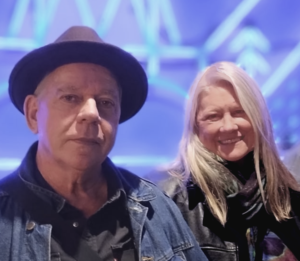 SF Neon is a nonprofit organization dedicated to documenting, preserving, and celebrating historic neon signs and the communities they represent. Founded by authors, designers, and preservation advocates Randall Ann Homan and Al Barna, the organization grew out of their award-winning book San Francisco Neon: Survivors and Lost Icons and has become a leading voice for neon preservation in California and beyond. Through walking tours, educational programs, preservation advocacy, technical resources, and the annual Neon Speaks symposium, SF Neon works to protect historic signs, support the craftspeople who maintain them, and inspire communities to recognize neon as an important part of their cultural heritage and neighborhood identity.