
Online Event
Members & Partners
Non-Members
FREE or by DONATION
FREE or by DONATION
Date:
Dec 02, 2025 - Dec 11, 2025
Time:
12:00 PM - 1:00 PM


All registration fees help support our 501c3 nonprofit organization. You can call (415) 495-0349 or write us to register or get more information.
Upcoming Events
- Where Worlds Meet: International Influences in California’s Architecture & Culture
Dec 02, 2025 - Dec 11, 2025
Continuing Education
We are an approved provider for AIA and AICP. Paid programs are submitted for CEUs with AIA and AICP. We also qualify for Certified Local Government (CLG) training. Appropriate continuing education categories (if any) are listed below.
Register for this Event

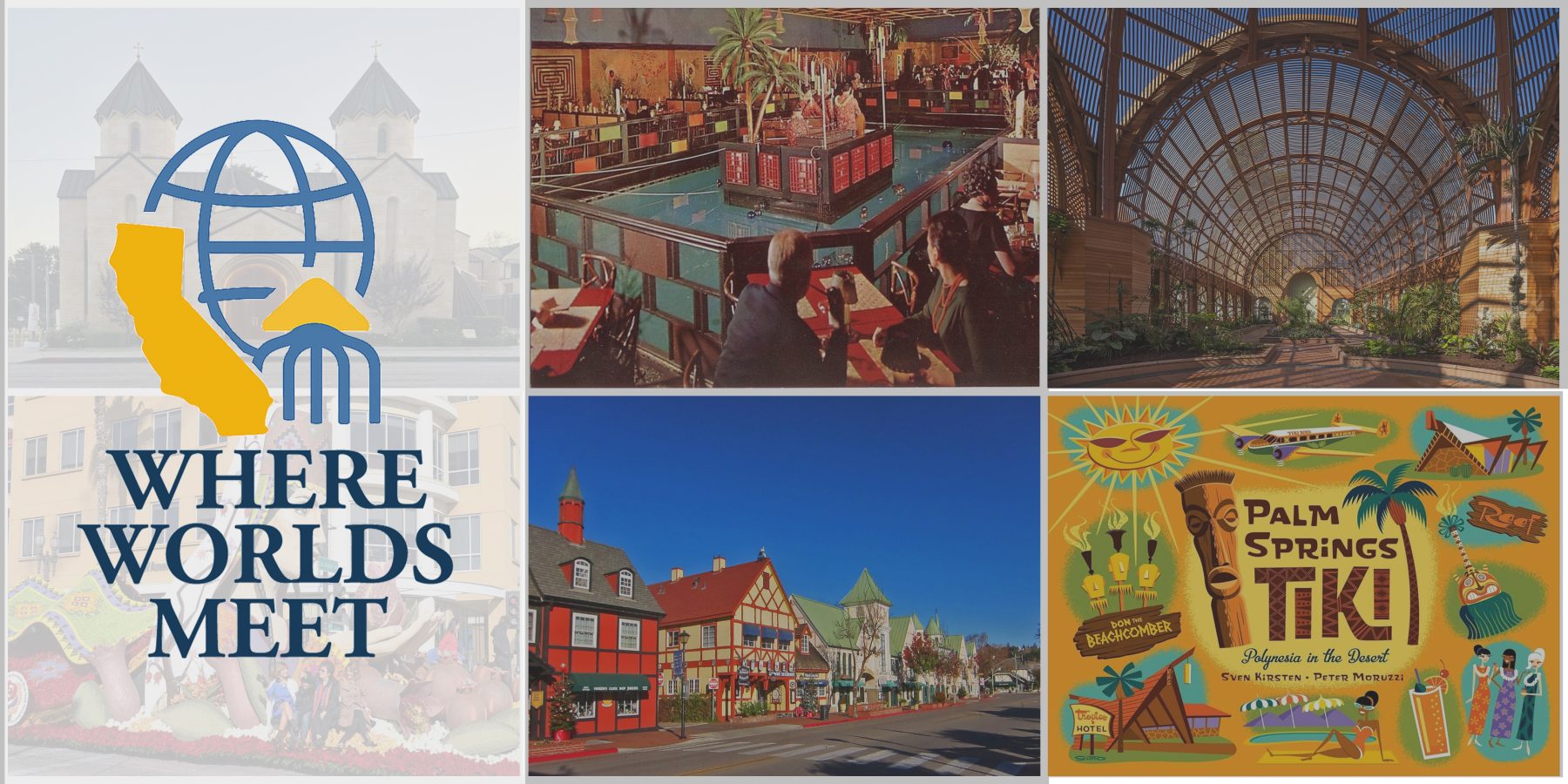
Where Worlds Meet: International Influences in California’s Architecture & Culture
Image Credits:
Top - Left to right: Alexis Doine; courtesy Chris VerPlanck; Pablo Mason Photography;
Bottom - Left to right: Vahe Martirosyan; Kirk K; Artist Shag
Tuesdays and Thursdays from December 2 to December 11, 2025
California’s built environment is a living archive of global exchange — a place where ideas, aesthetics, and traditions from around the world converge to create something distinctly Californian. Where Worlds Meet explores how international influences have shaped the state’s architecture, identity, and cultural imagination across eras and communities.
From international expositions that introduced new architectural languages, to the mid-century Tiki movement’s playful — and complex — reinvention of Pacific imagery, to the enduring imprint of Armenian heritage expressed in sacred spaces and contemporary civic design, this series reveals how cross-cultural dialogue has continually redefined California. Across three programs, leading historians, architects, and preservation advocates will uncover the global stories embedded in our landmarks, neighborhoods, and shared spaces — and the creative ways Californians have interpreted, adapted, and celebrated the world.
All programs below are FREE and open to the public, including:
- Part 1: Welcoming the World: The Architecture & Legacy of California's Expositions | Tues, December 2, 2025 | 12 - 1 PM
- Part 2: Palm Springs Tiki in Mid-Century California Culture | Thurs, December 4, 2025 | 12 - 1 PM
- Part 3: Armenian Architecture and Heritage in California | Tues, December 9, 2025 | 12 - 1 PM
- Part 4: Solvang – A Danish Town Born on the Central Coast| Thurs, December 11, 2025 | 12 - 1 PM
This program also highlights our annual silent auction!
Win Big! Bid on related food, drink, and fun experiences at our fifth annual Awesome Auction where dozens of items will be available for you to win (bidding ends on December 19th)
Feeling lucky? Donate, upgrade your membership, or join CPF to receive raffle tickets for our highlighted signature items.
Celebrate Tradition. Be part of the fun. Follow us on our social channels (Instagram, Facebook, and LinkedIn) to receive special virtual ‘gifts’ each day.
Part 1: Welcoming the World: The Architecture & Legacy of California's Expositions | Tues, December 2, 2025 | 12 - 1 PM
Scheduled, December 2nd at lunch, Free Online | Format: Free online lunchtime talk (Zoom)
California’s early 20th-century expositions showcased bold architecture, artistic innovation, and international influence—leaving an indelible mark on the state’s cities and cultural identity. From the gleaming domes of San Francisco’s Panama-Pacific International Exposition (1915) to the Spanish Colonial Revival masterpiece of San Diego’s Panama-California Exposition (1915–1916), and the streamlined modernism of the Golden Gate International Exposition (1939–1940), these monumental fairs introduced new architectural forms and ideas that continue to shape California’s landscape today.
This free lunchtime talk brings together leading historians and preservationists for a visual journey through California’s exposition heritage and its ongoing legacy.
Presented by...
- Laura Ackley — The Panama-Pacific International Exposition (1915): how architects transformed San Francisco into the “Jewel City” and the fair’s lasting influence on urban identity.
- David Marshall — The Panama-California (1915) and California-Pacific (1935) Expositions: Balboa Park’s architectural evolution, preservation efforts, and the enduring spirit of San Diego’s fairgrounds.
- Anne Schnoebelen — The Golden Gate International Exposition (1939–1940): the visionary design of Treasure Island, WPA-era art, and how audiences today can help protect the fair’s threatened remnants.
Part 2: Palm Springs Tiki in Mid-Century California Culture | Thurs, December 4th, 2025 | 12 - 1 PM
Scheduled, Thursday December 4th at lunch, Free Online
This program explores the evolution of Polynesian Pop and Tiki in California as an imaginative, highly visual, and distinctly mid-century cultural phenomenon. Through the lens of the new publication by co-authors Sven Kirsten and Peter Moruzzi, Palm Springs Tiki, this session will examine the imagery, iconography, and architectural motifs that shaped the movement, as well as the revival of interest and preservation of surviving sites. This open discussion accompanied by images will be moderated by Architect and Historian, Alan Hess to explore the cultural storytelling, visual language, historic context of Tiki’s layered legacy in California pop culture and the built environment.
Presented by...
Alan Hess (Moderator) is an architect and historian known for his scholarship on mid-century modern architecture, Googie design, and commercial vernacular forms in California and the American West. He is the author of numerous books and has been a leading voice in advocating for the preservation of post-war architectural landmarks. Hess has served on local and national preservation boards and has written extensively on the cultural forces that shaped modern American architecture.
Sven Kirsten is a cultural historian and author best known for The Book of Tiki, which played a central role in documenting and reviving interest in mid-century Tiki culture. His work explores the iconography, architecture, and visual mythology of the Tiki movement in America, particularly in California, drawing on extensive photographic, archival, and field research. Kirsten’s writing and scholarship have shaped contemporary understanding of Polynesian Pop and its cultural impact.
Peter Moruzzi graduated from the University of California at Berkeley and later attended the American Film Institute in Los Angeles. In 1999, he founded the Palm Springs Modern Committee (PS ModCom), an architectural preservation group. In addition to being the co-author of Palm Springs Tiki, he has authored Palm Springs Holiday, Palm Springs Paradise, and Havana Before Castro. His research and writing examine desert resort culture and mid-century design history in Southern California, with particular focus on Palm Springs.
Part 3: Armenian Architecture and Heritage in California | Tues, December 9, 2025 | 12 - 1 PM
Tuesday, December 9th at lunch, Free Online
This program examines the cultural, historical, and architectural imprint of Armenian heritage in California, presented in three parts. First, Aram Alajajian will introduce the foundations of Armenian architecture and its traditions, and discuss how this legacy informs his design approach today. He will then highlight his firm’s work, including the Armenian American Museum in Glendale. Finally, Paul Halajian will share insight into Armenian communities in Fresno and the Central Valley and present the Armenian Genocide Monument at Fresno State, exploring its conception, symbolism, and cultural significance. Together, the program will reflect on how Armenian identity and memory are expressed through architecture across California.
Presented by...
Paul Halajian is an architect based in Fresno and Principal of Paul Halajian Architects, a firm focused on civic, educational, and cultural design in the Central Valley. He led the design of the Armenian Genocide Monument at Fresno State and has contributed to numerous regional public projects. Paul serves on the Board of Trustees for the California Preservation Foundation and is committed to community-focused design and honoring Armenian heritage in the built environment.
Aram Alajajian is Principal of Alajajian Marcoosi Architects in Glendale, a firm known for civic, educational, and cultural projects across Southern California. He is the architect for the Armenian American Museum & Cultural Center of California, a landmark cultural and educational institution currently under development in Glendale. Aram’s work reflects a thoughtful integration of Armenian cultural identity with contemporary architectural expression and public-serving design.
Part 4: Solvang, California – A Danish Town Born on the Central Coast | Thurs, December 11, 2025 | 12 - 1 PM
Tentatively Scheduled, Thursday, December 11th at lunch, Free Online
Founded in 1911 by Danish-American educators seeking a new “sunny field” far from Midwestern winters, Solvang grew into one of the most distinctive cultural enclaves in California — a place where Danish folk traditions, timber-frame architectural motifs, rural colony planning, and 20th-century tourism intersect.
This panel of speakers from a broad range of backgrounds will look at how Solvang evolved from an immigrant-founded settlement into the celebrated “Danish Capital of America,” and how its buildings, community institutions, and cultural rituals — from half-timbered storefronts to æbleskiver festivals — embody both authentic heritage and the layered storytelling of place-making. The moderated discussion will ask that panel how the city balances preservation, reinvention, and contemporary visitor expectations while honoring its Danish roots.
Tentative speaker focus (flexible):
- Moderator: Amber Long — Architectural historian providing contextual framing and facilitating discussion.
- Kirsten Klitgaard — A Danish perspective on Solvang today: cultural continuity, the experience of being a Danish ambassador in a Danish-inspired town, and how heritage is interpreted for visitors.
- Sandie Mullin, Elverhøj Museum — Solvang’s founding, architectural evolution, museum collections, and the role of community institutions in telling and safeguarding the Danish story.
- Javier Servin (Foo Howser) — Solvang through the lens of contemporary travel media; how visual storytelling, digital platforms, and popular culture shape the public’s understanding of place.
November 24th to December 18th | Annual Awesome Holiday Auction - Benefits CPF Programs
Bid on items to support CPF while winning awesome, architecture- and California-inspired auction items. Special stays and trips, event tickets, books from our book club program, rare prints, and other unique items. Don't miss it! Bidding will open Tuesday, November 24th and ends on Tuesday, December 18th at 8 PM. Keep your eyes peeled for future additions and updates!
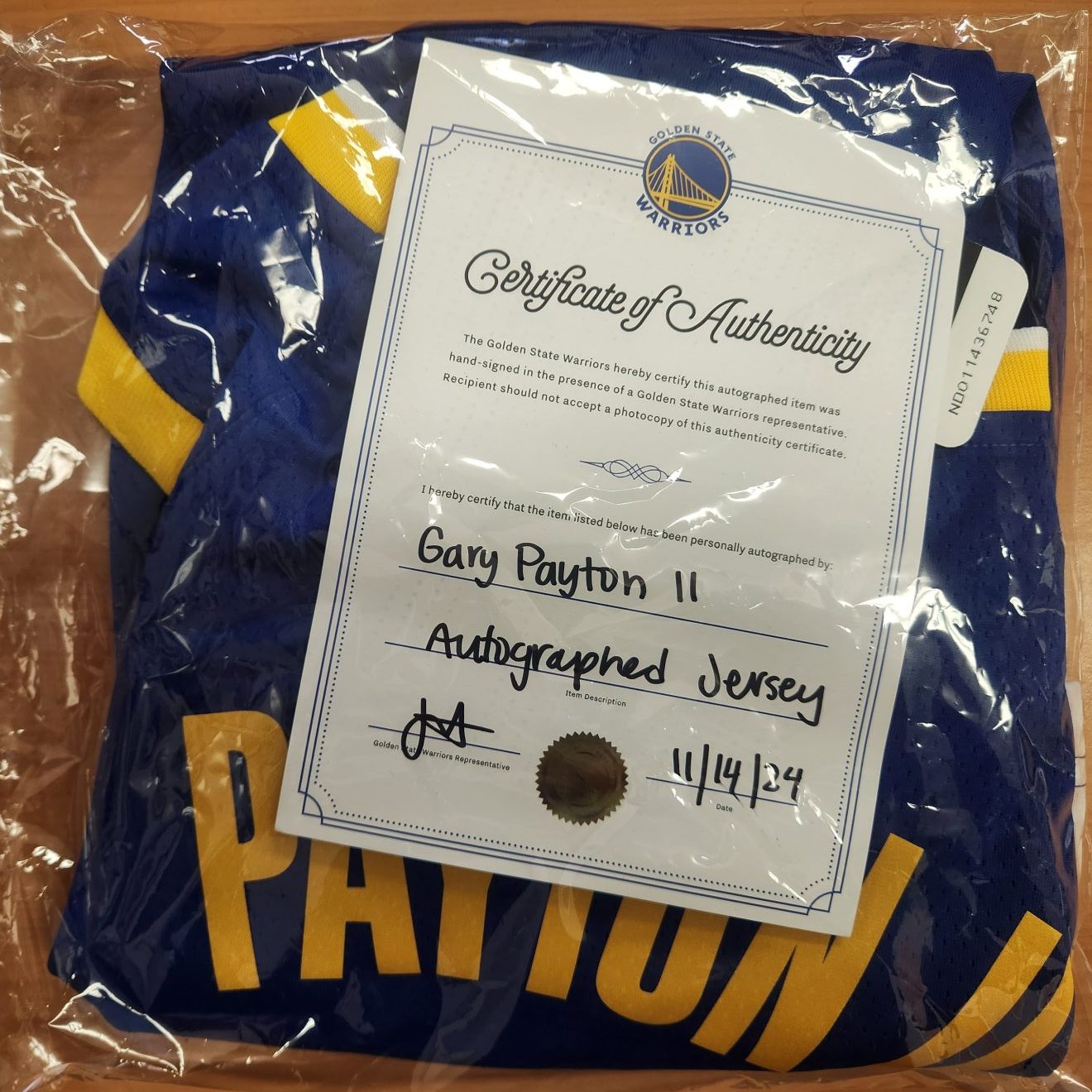
Golden State Warriors Swingman Jersey — Signed by Gary Payton II (Tier III Collectible)
Ending in: 12 days 10 hours 35 minutes 2 seconds
- Description
- Total bids placed
Golden State Warriors Swingman Jersey — Gary Payton II (Tier III Collectible)
Generously Donated by the Golden State Warriors
Estimated Value: $700
Bring home a piece of Bay Area basketball greatness with this official Golden State Warriors Swingman Jersey featuring defensive standout Gary Payton II. A fan favorite known for his energy, versatility, and lockdown defense, Payton II has become one of the most electrifying contributors to the Warriors’ recent success — and this jersey celebrates his impact on and off the court.
This Tier III Swingman Jersey is an authentic team-issued collectible, the kind of item normally reserved for community partners and special charitable events. Whether framed for display or worn proudly to Chase Center, it’s a must-have for any Warriors loyalist or collector of iconic Bay Area sports memorabilia.
Why You’ll Want This Item:
-
Official Warriors Swingman Jersey featuring Gary Payton II
-
Premium team-issued collectible — not typically available to the public
-
Perfect centerpiece for a sports collection, fan cave, or auction display
-
Represents the Warriors’ continued commitment to Bay Area community causes
Don’t miss your chance to own this high-value, high-impact piece of Warriors history while supporting the mission of the California Preservation Foundation!
About the Author
 The California Preservation Foundation is a network of more than 35,000 members and supporters who are committed to protecting our shared architectural and cultural heritage. We are a leader in preservation education and advocacy, responding to hundreds of requests for assistance and training more than 3,000 people each year.