Reimagining 530 Macdonald as a Creative Space for Richmond
How I’m working to bring a historic former bank in Richmond’s Iron Triangle back to life as a place for film, art, community, and creative enterprise.
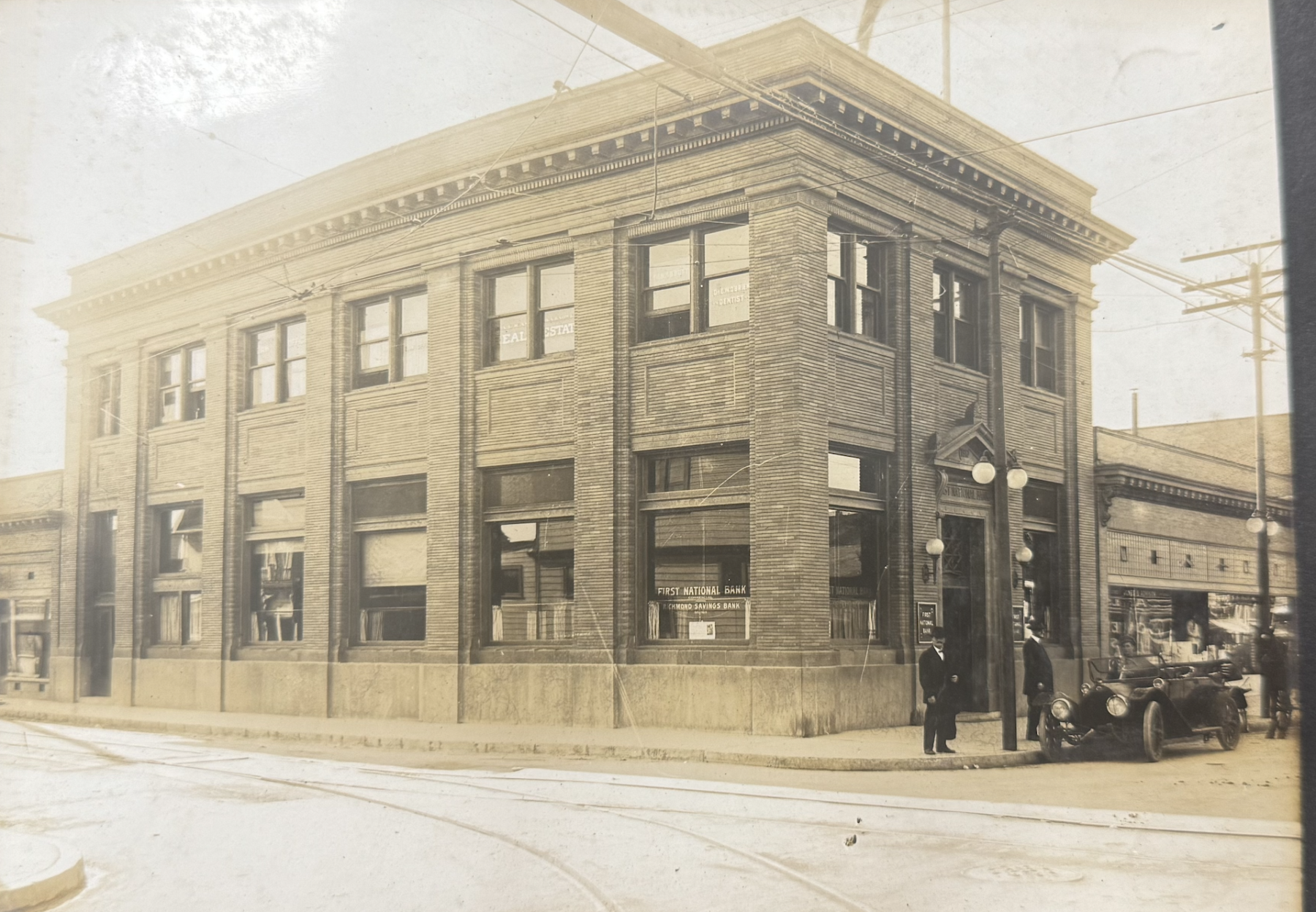
The historic First National Bank building at 530 Macdonald Avenue in Richmond.
In downtown Richmond, the historic former First National Bank building at 530 Macdonald Avenue has sat vacant for years—an empty storefront that generations of neighbors have watched as they pass by on their way somewhere else.
Where some may see an empty property, I see an opportunity to create something Richmond needs: a creative community space that brings people, art, business, and activity back to Macdonald Avenue.
My name is Jayson Johnson, and I’m a Richmond-based filmmaker and founder of Strike Five Films. Over the years, my short films have screened at more than 90 film festivals and earned multiple awards, including several Best Picture wins. I’ve also worked across film, television, and commercial production, including projects connected to ABC, Discovery, Amazon, Netflix, Sorry to Bother You, Blindspotting, and other Bay Area productions.
That experience has taught me how much creative work depends on access, collaboration, persistence—and space.
That is why 530 Macdonald matters.
530 Macdonald at a Glance
- Address: 530 Macdonald Avenue, Richmond, CA
- Neighborhood: Iron Triangle
- Building: Former First National Bank building, built 1885
- Historic status: Identified through the 2009 PRISM survey and California Office of Historic Preservation as appearing individually eligible for the California Register; not yet formally designated
- Site: Three parcels—building, courtyard, and parking lot—totaling approximately 30,690 square feet
- Current phase: Stabilization and window restoration; façade grant approved and moving through permitting
- Funding secured: Façade improvement grant for window replacement and design grant for courtyard plans
- Follow along: strikefivefilms.com
A Vision for 530 Macdonald
My vision is to help bring the historic former bank building back to life as a creative community space rooted in Richmond’s Iron Triangle.
Picture a Saturday afternoon in the courtyard: a local band playing under the open sky, folding chairs pulled into loose rows, a few food vendors set up nearby—and off to the side, a teenager from the neighborhood watching her first short film play on a screen in public for the first time.
That’s the kind of moment 530 Macdonald is built to hold.
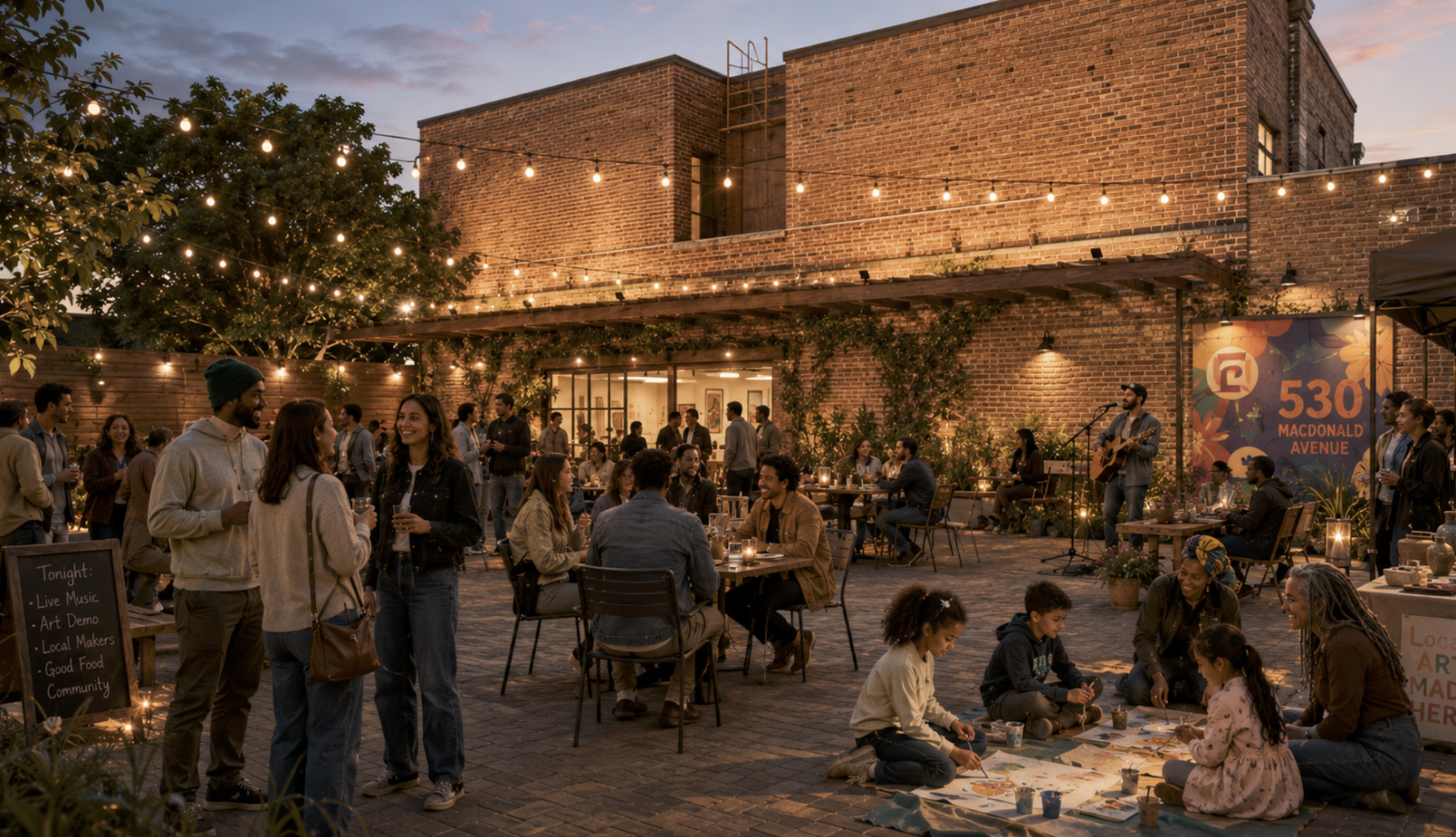
Conceptual visualization of how the courtyard could support performances, screenings, art, local vendors, and community gatherings.
The building could eventually support film production, arts events, youth training, workshops, small performances, vendor markets, community meetings, and small business activity.
“This is not only about restoring a building. It is about creating a place where Richmond’s creative talent can gather, learn, work, and be seen.”
Richmond has artists, filmmakers, musicians, writers, young people, entrepreneurs, organizers, and residents with ideas. What we need are more spaces that make those ideas visible and possible.
530 Macdonald can become one of those spaces—a place where culture, community, and economic activity meet.
A Building With Real Historic Weight
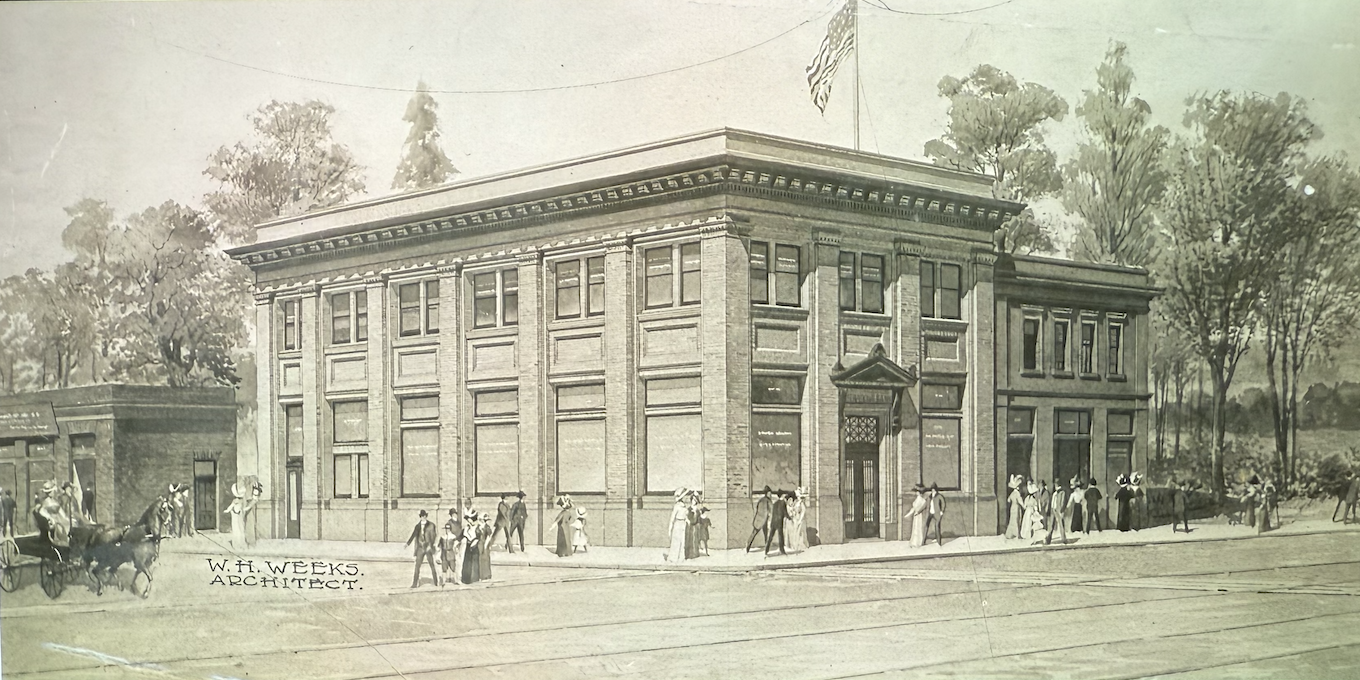
Historic architectural rendering of the First National Bank building identifying W. H. Weeks as architect.
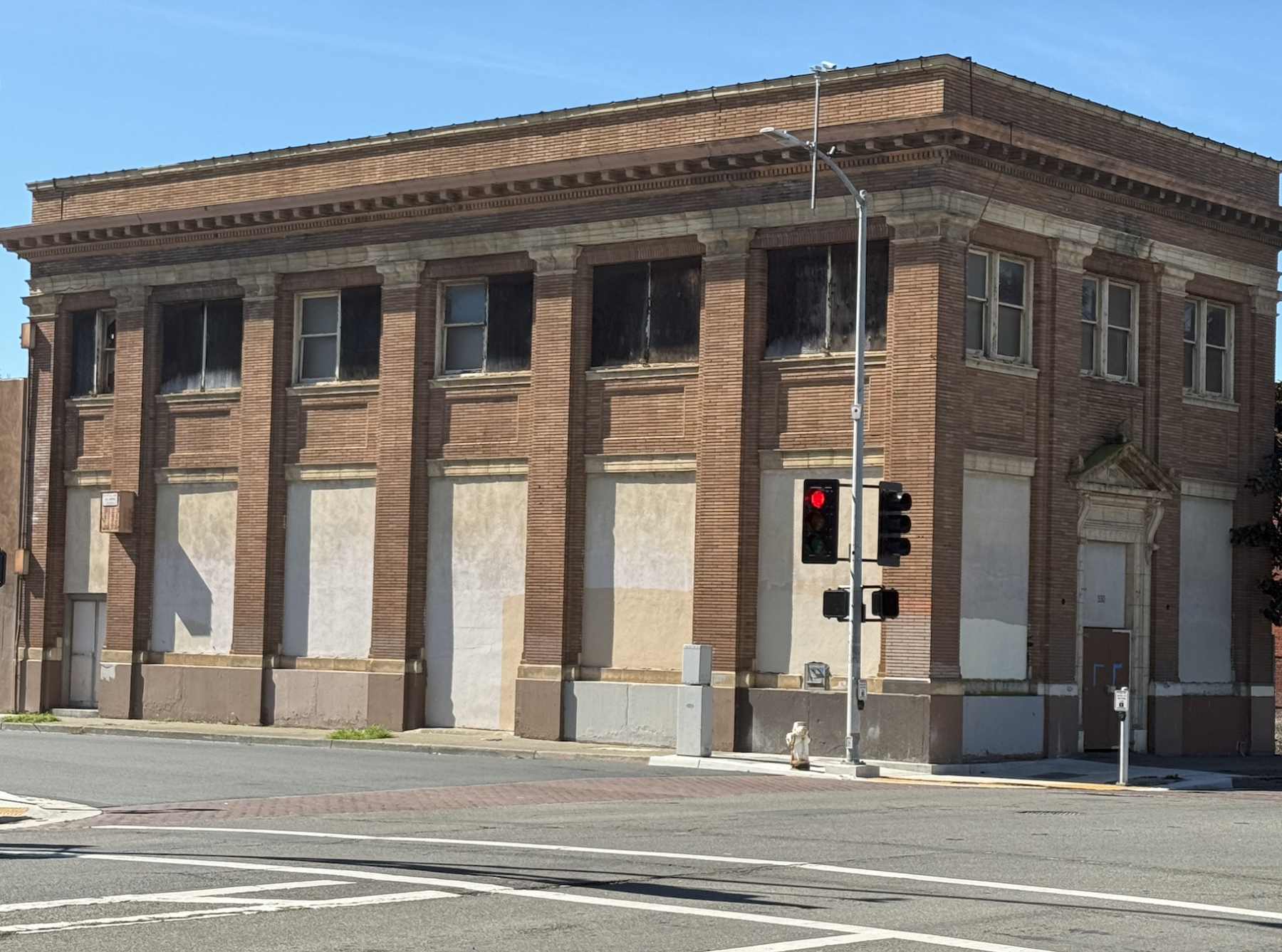
The building today, prior to rehabilitation.
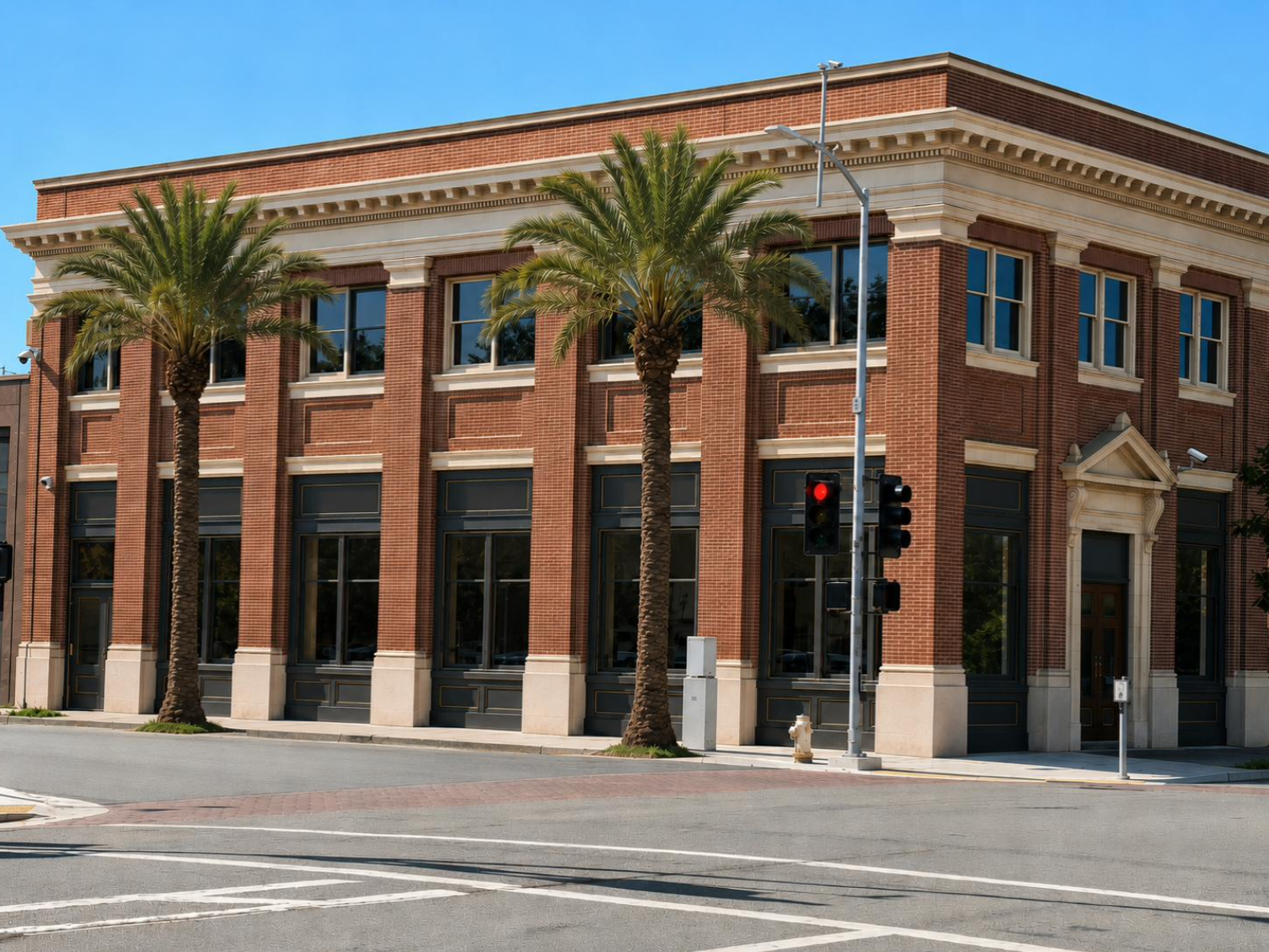
Conceptual visualization of a restored exterior. This image depicts a potential future condition, not completed work.
530 Macdonald isn’t just an old building. It’s one the state has already taken notice of.
A 2009 PRISM survey, backed by the California Office of Historic Preservation, found that the building “appears eligible for the California Register individually.” It hasn’t yet been formally designated, but that finding means restoring it the right way—with a preservation architect helping guide window and material decisions—isn’t optional for us. It’s the standard we’re already holding ourselves to.
The project has real challenges. The building needs stabilization, window replacement, safety improvements, planning, funding, permitting, and a long-term structure that can support the work.
But it also has something important: momentum.
What Survives Inside
One of the things that excites me most about the building is how much remains beneath the deterioration. Historic doors, glazed transoms, wood trim, corridors, and traces of the building’s banking history are still here.
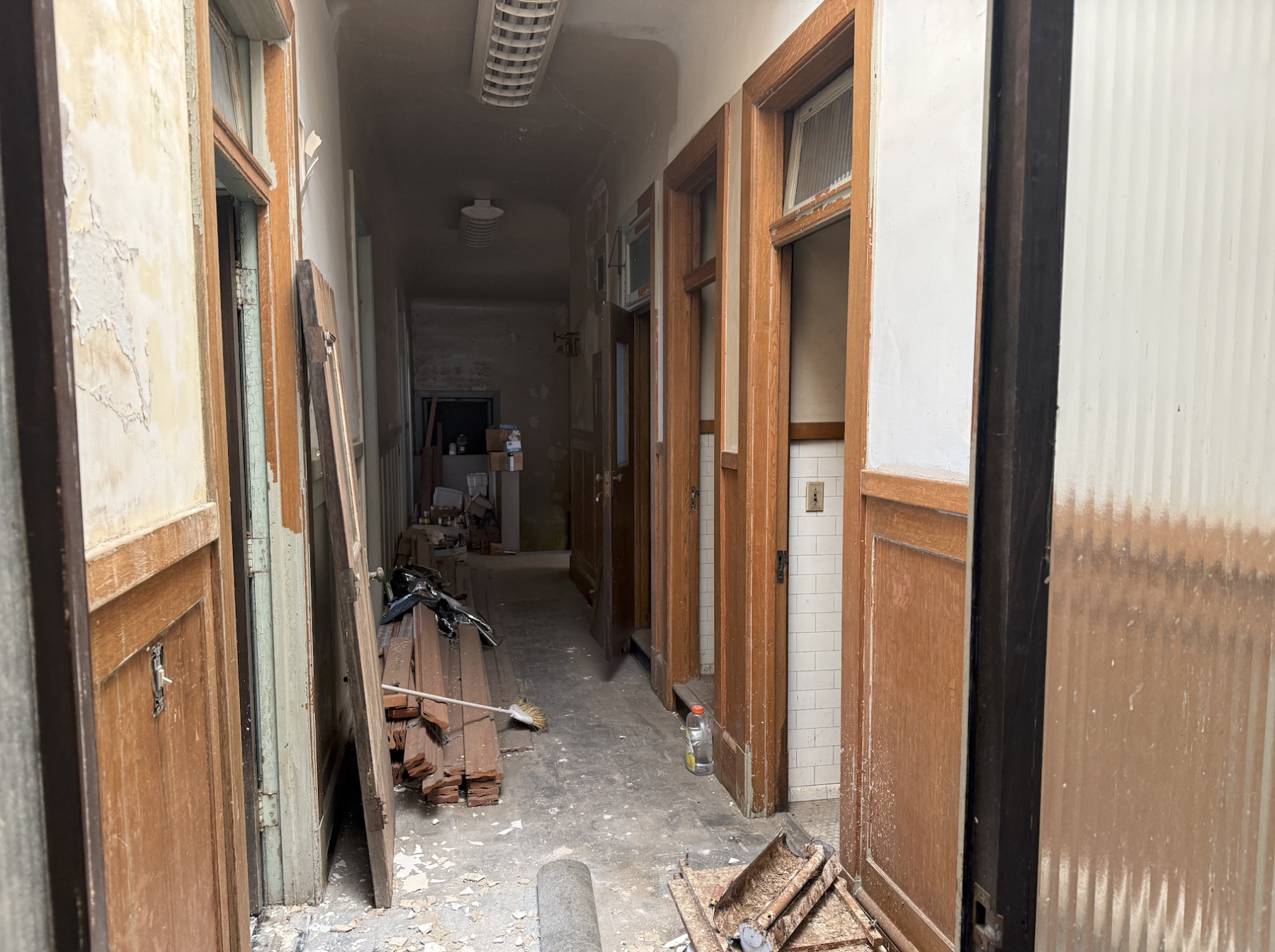
Historic doors, transoms, wood trim, and other interior fabric survive throughout the building.
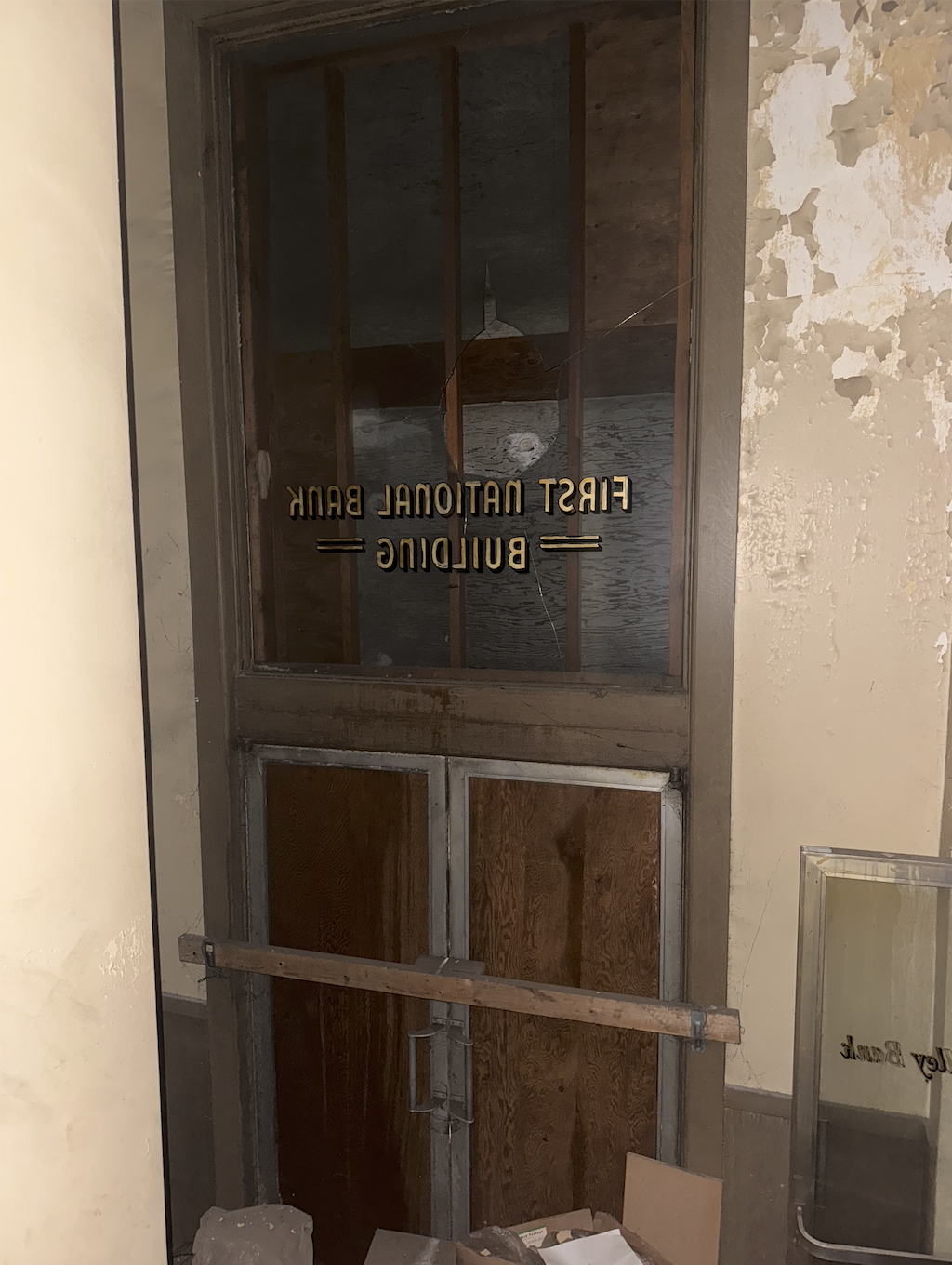
Surviving “First National Bank Building” lettering on an interior glazed door.
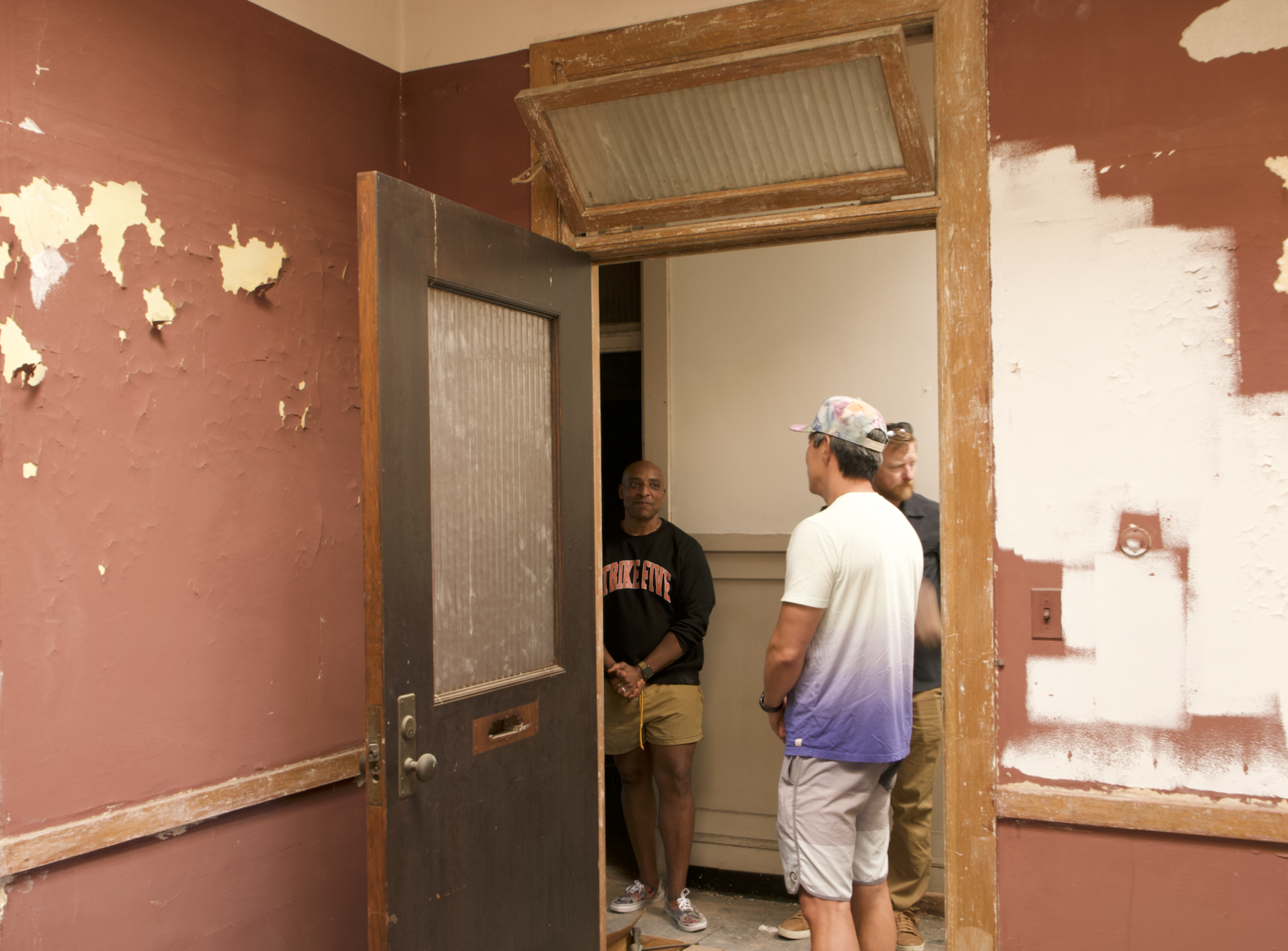
Examining the building’s surviving historic fabric as rehabilitation planning moves forward.
Starting With What We Can Activate
The first visible step is already underway. The façade grant process is moving forward for window replacement.
For a building that has been vacant and overlooked, restoring the windows is more than cosmetic. It signals care, progress, and a renewed belief in what the building can become.
We also recently secured a design grant to begin drafting courtyard plans. The courtyard is one of the clearest opportunities for early activation. Before the full building is ready, it could support outdoor screenings, small performances, pop-ups, community events, and gatherings that begin bringing life back to the property in a practical, phased way.
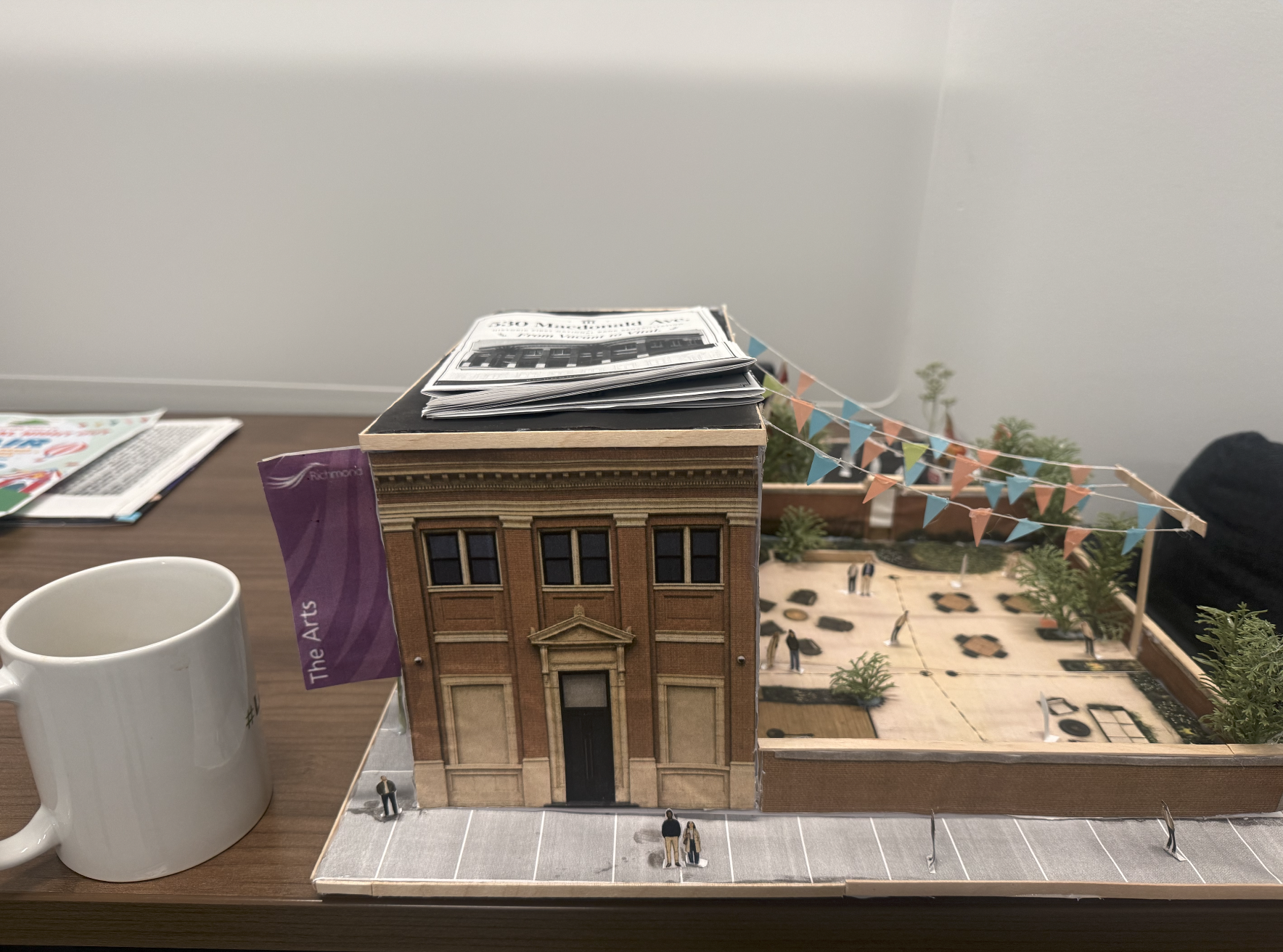
A project model exploring the relationship between the historic building and its adjoining courtyard.
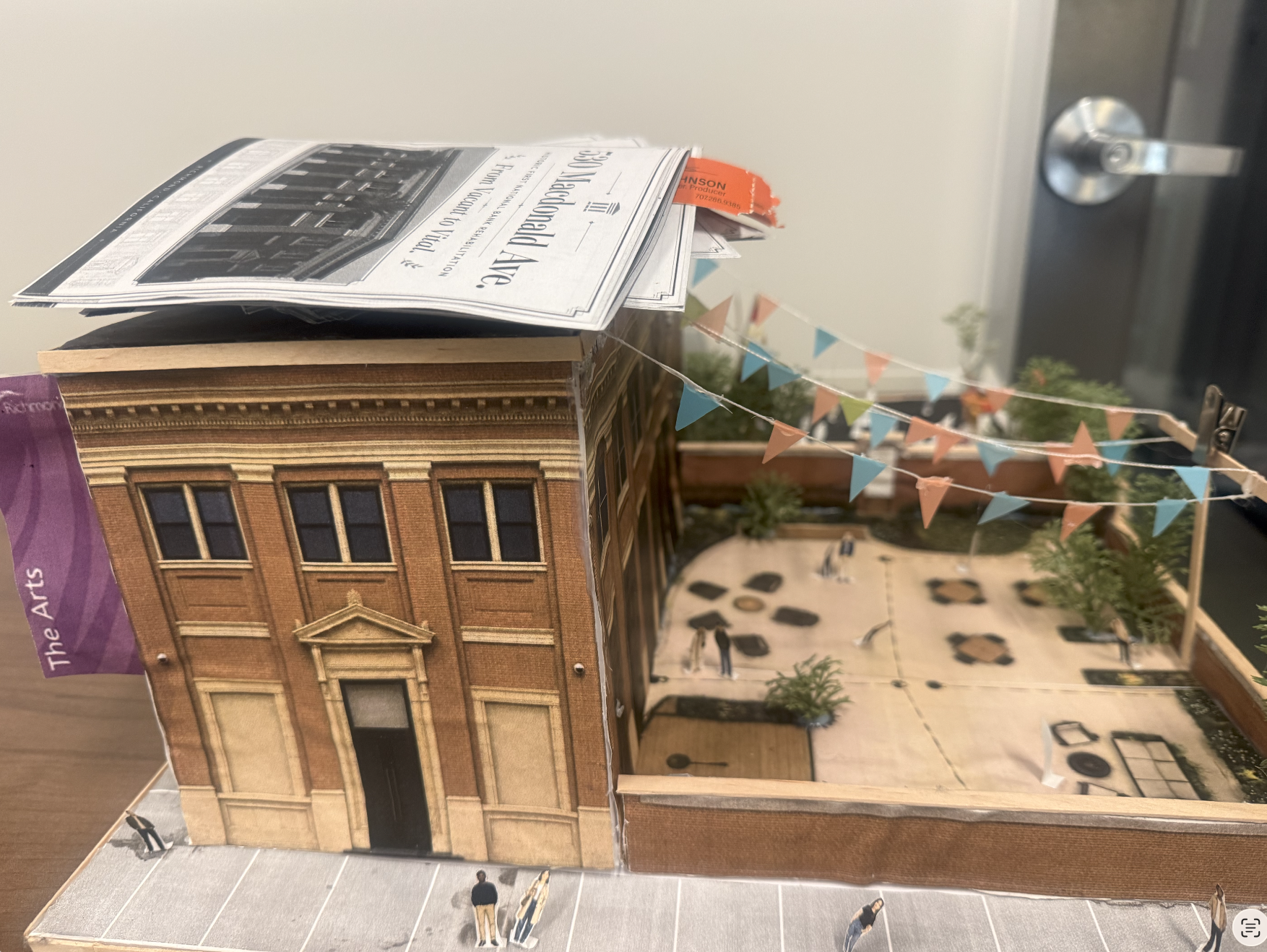
The model shows how the courtyard can become part of the larger creative space.
That phased approach is central to the project. The goal is not to wait for one large source of funding to solve everything at once. The goal is to stabilize the building, activate what can be used safely, build partnerships, and move toward the larger vision step by step.
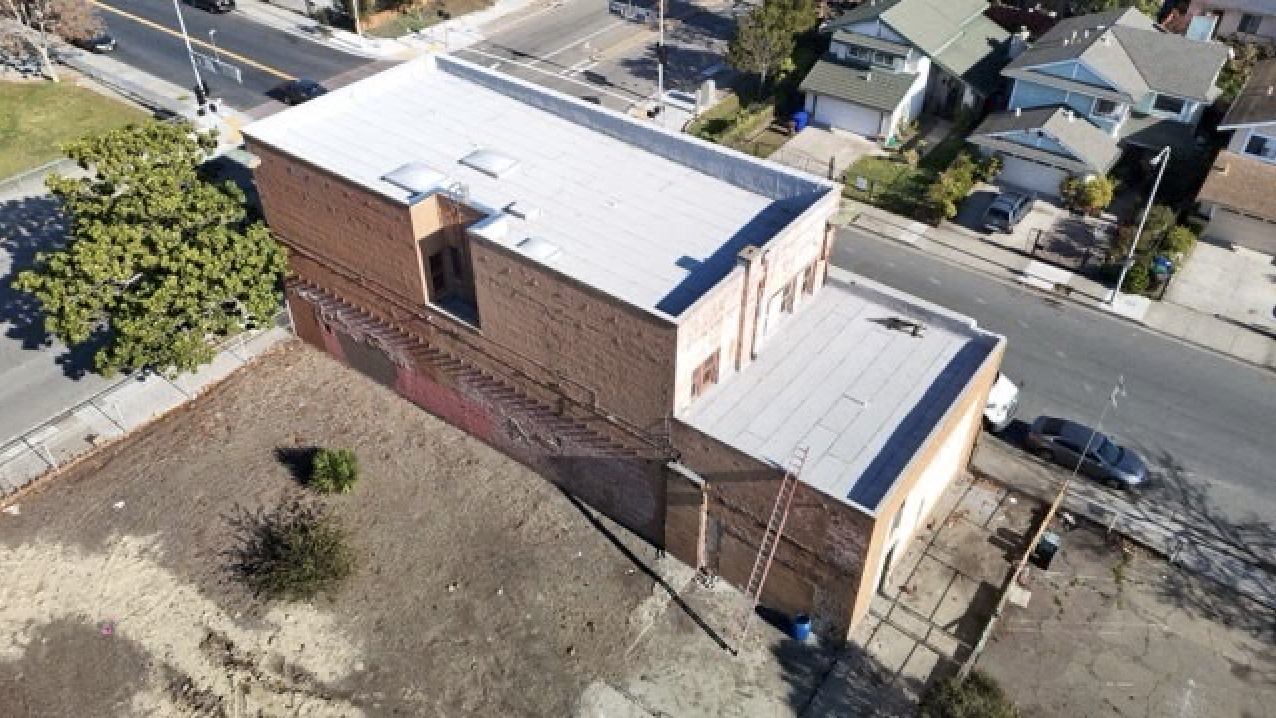
Aerial view showing the historic building and adjoining courtyard and site.
Part of Richmond’s Larger Arts Story
As I build 530 Macdonald, I am not alone.
Richmond Renaissance is leading an effort to develop an Arts Corridor centered on Macdonald Avenue and 23rd Street, and 530 Macdonald sits in the heart of that larger undertaking.
The corridor brings together organizations that have provided art and cultural programming to Richmond for generations—including the Richmond Art Center, East Bay Center for the Performing Arts, NIAD, RYSE, and the Richmond Museum of History—as well as newer organizations and creative enterprises including Children’s Art Studio, Vibe Bistro, Richmond Tiny Village, Visual Artists of Richmond, and others.
Taken together, that activity creates the possibility of a thriving arts destination. My hope is that 530 Macdonald can become another piece of that network.
Building Support, One Conversation at a Time
Over the past few months, I’ve had the chance to share the 530 Macdonald vision with neighborhood leaders, arts advocates, civic groups, and local partners across Richmond.
Those conversations have helped build early support around the project, including seven letters of support and grant assistance connected to the next phase of work.
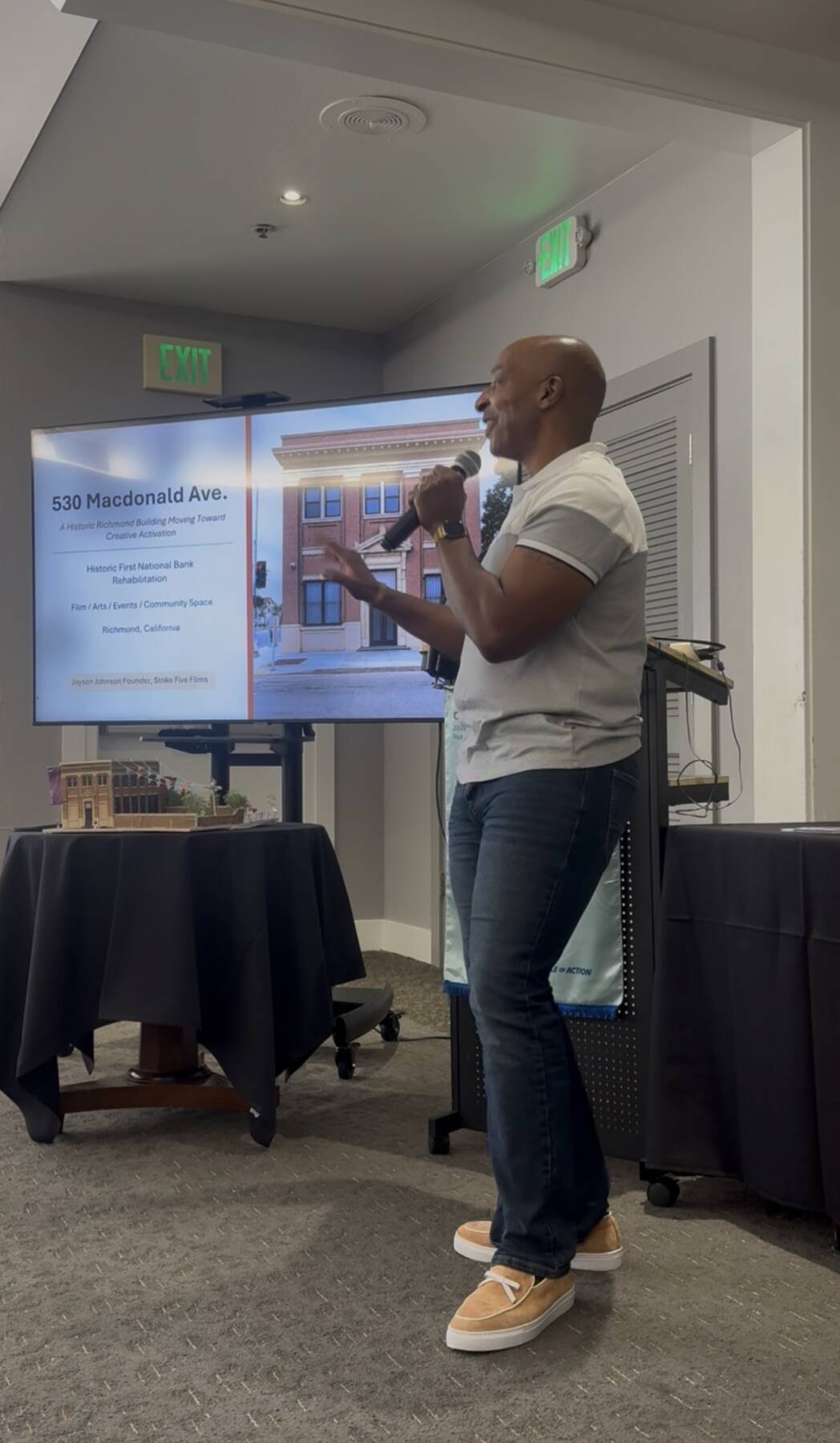
Sharing the vision for 530 Macdonald with community and civic partners in Richmond.
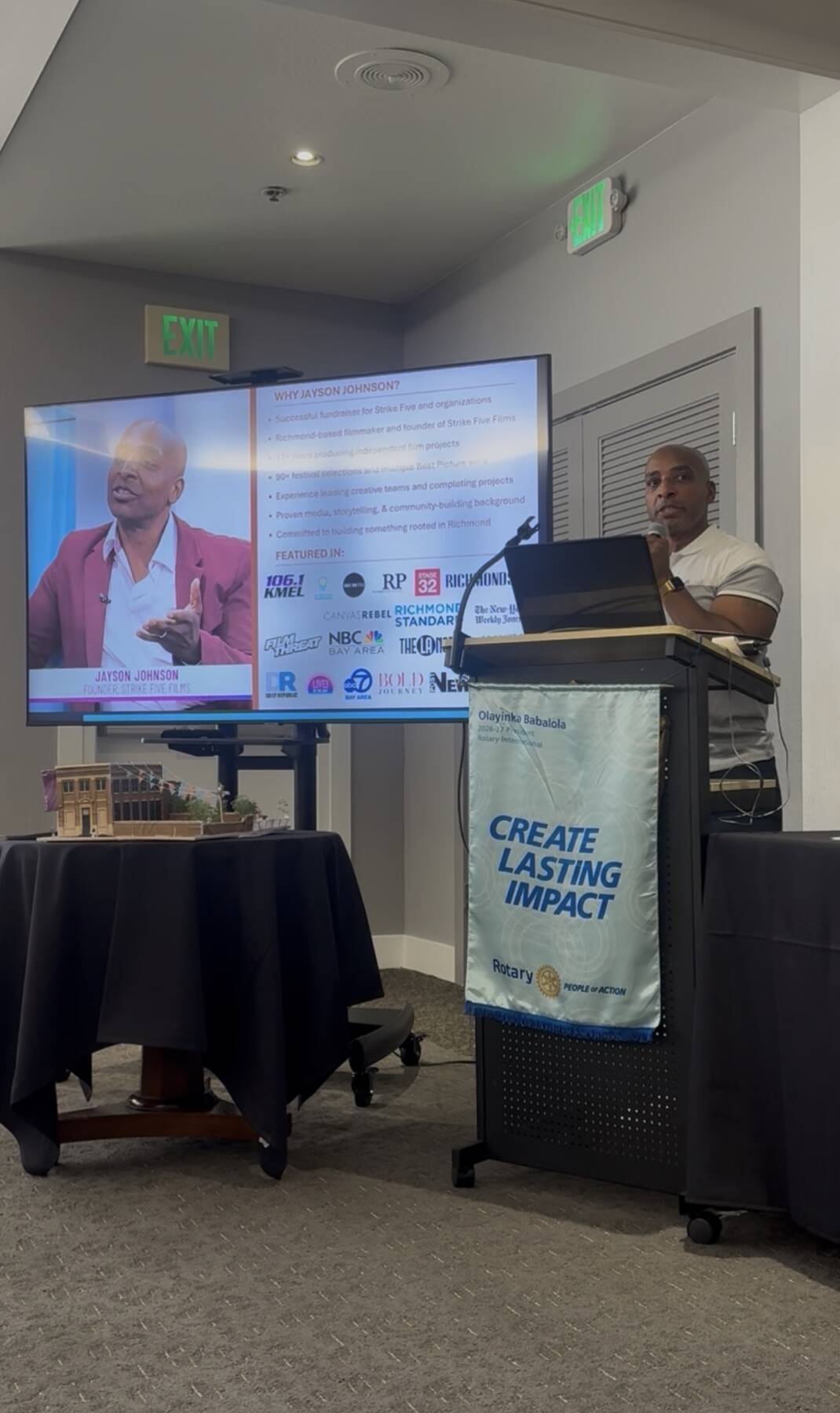
Building partnerships and community awareness is an important part of the project’s next phase.
From Vacant to Vital
At full activation, 530 Macdonald could offer roughly 19,350 square feet of indoor and courtyard space for creative and community use across a three-parcel site that also includes an approximately 11,340-square-foot parking lot.
I can imagine the property hosting forty or more community events a year: a young person learning film production for the first time, local artists showing their work, small businesses testing ideas, families celebrating milestones, filmmakers screening projects, and community members gathering around something positive.
It can also become part of a larger story about downtown Richmond—one where vacant buildings are not treated as permanent losses, but as future assets.
The goal is simple: move 530 Macdonald from vacant to vital.
How to Get Involved
There is still a lot of work ahead. We need funding, technical support, historic preservation guidance, permitting support, programming partners, community input, and aligned partners who understand what this project can mean for Richmond.
If this project speaks to you—as a funder, preservation advocate, creative professional, community member, or future partner—I’d love to talk.
I’ve spent years building Strike Five Films one project at a time. Now I’m working to help build something that can serve more than one film, one artist, or one moment.
530 Macdonald has history. Richmond has talent. The next step is bringing the two together.
Follow the Project
Learn more about 530 Macdonald Avenue and Strike Five Films at strikefivefilms.com.
Images courtesy of Jayson Johnson / Strike Five Films unless otherwise noted.
Conceptual visualizations depict potential future conditions rather than completed construction.
About the Author
 Jayson Johnson is an indie filmmaker and the founder of Strike Five Films, based in Richmond, California. He writes, directs, and produces character-driven short films that have screened at over 90 film festivals worldwide, earning six awards. Through Strike Five Films, he merges storytelling with streetwear and community impact—mentoring emerging creators and elevating underrepresented voices in the Bay Area. He is now developing his debut feature, R.O.G.E.R & Me—a quirky, heartfelt film about a young Black coding savant from Richmond who, after crashing into a tropical fish store, is sentenced to carry a live goldfish named R.O.G.E.R. for 30 days. Under the offbeat surface is a touching story of healing, growth, and unexpected human connection. Jayson started with a $35 camera from eBay and has worked toward this milestone, proving that vision, grit, and authenticity can turn independent dreams into reality. He’s passionate about collaborating with producers, distributors, and partners who share a commitment to meaningful, community-rooted stories.