Federal Section 106 Protections of Historic and Cultural Resources Under Imminent Threat
Advocacy Alert
Section 106 Protections Are at Risk
For nearly 60 years, Section 106 has helped protect California’s—and our nation’s—historic places. That protection is now at risk.
Time and Time again, Section 106 of the National Historic Preservation Act has stood between a federal decision and an irreversible loss. Every bridge, every housing project, every Main Street rebuilt with federal dollars has had to pass through one basic test: stop, look, and consider what’s about to be affected before it’s gone for good.
That test is now being dismantled.
If it disappears, a federal agency could fund a road project that alters a historic downtown without ever having to ask first. A pipeline or transmission line could pass through a site a Tribal Nation considers sacred, with no obligation to even acknowledge it’s there. A neighborhood that took generations to build its character could be changed by a federally funded decision, with no hearing, no consultation, and no chance to weigh in until it’s already done.
This is not a bureaucratic footnote. It’s the difference between a nation that considers what it builds on, and one that moves forward without looking back.
Section 106 doesn’t stop development. It requires federal agencies to consult with Tribal Nations, State and Tribal Historic Preservation Officers, local governments, preservation organizations, property owners, and the public — so harm to historic buildings, neighborhoods, archaeological sites, cultural landscapes, and Tribal cultural places can be avoided, minimized, or addressed before it’s too late.
In California, that consultation has shaped better outcomes for transportation, housing, renewable energy, water infrastructure, broadband, disaster recovery, and military projects for nearly six decades. This proposal would take that voice away.
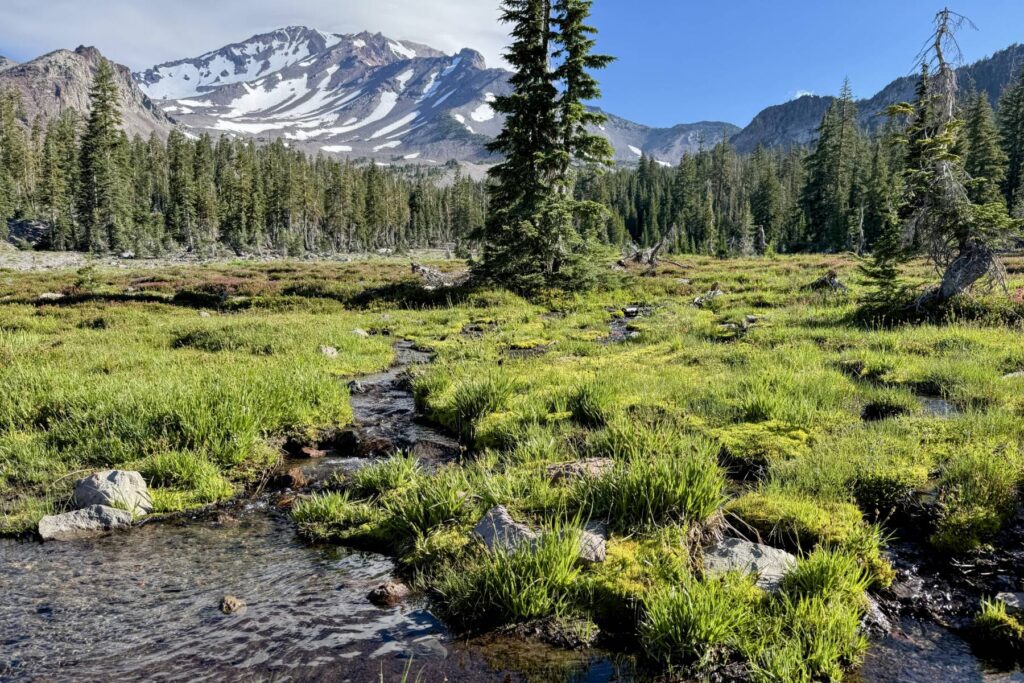
Frank Fujimoto (CC BY-NC-ND 4.0)
Mount Shasta is sacred to the Pit River, Karuk, Shasta, Wintu, and other Tribal Nations. A proposed ski area would have placed facilities near a sacred spring in Panther Meadow. Tribal input prompted the Forest Service to reconsider its original finding, recognize a 19,000-acre Native American Cosmological District, and assess direct and indirect effects. In 1998, the Forest Service rescinded the ski-area permit largely because of its effects on Native American traditional use. ACHP describes it as the first time the Section 106 process halted a major development found incompatible with a place of traditional cultural significance.
A Critical Moment for Preservation
The Advisory Council on Historic Preservation (ACHP) has advanced sweeping proposed revisions to the regulations that implement Section 106. While presented as an effort to streamline federal review, these changes could significantly weaken the consultation process that has protected historic and cultural resources for nearly six decades.
What Could Change?
The proposed revisions could:
- Reduce meaningful consultation with Tribal Nations and other stakeholders.
- Limit opportunities for public participation.
- Narrow the types of historic resources considered during review.
- Reduce consideration of potential impacts beyond direct physical damage.
- Give federal agencies greater discretion over when and how consultation occurs.
For California, where federal investments intersect with thousands of historic buildings, districts, cultural landscapes, archaeological sites, and Tribal cultural resources, these changes could have lasting consequences.
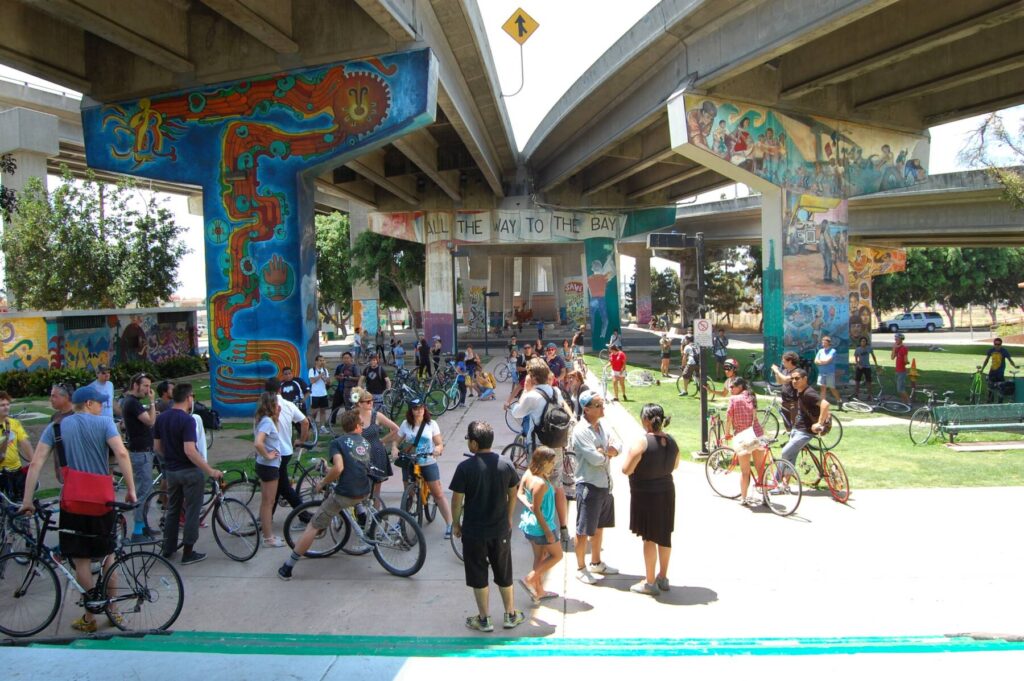
Photo by Kyle Mahan
At Chicano Park in San Diego, Section 106 provided a framework for Caltrans, original muralists, preservation agencies, and community members to restore nationally significant Chicano murals while respecting their artistic and cultural meaning.
Why This Matters for California
Federal involvement reaches communities throughout California. Transportation projects, disaster recovery, communications infrastructure, affordable housing, energy development, public lands management, water systems, and rehabilitation projects may all involve federal funding, approval, licensing, or permitting.
As a result, changes to Section 106 could affect thousands of historic buildings, neighborhoods, archaeological resources, cultural landscapes, and places of religious or cultural significance to Tribal Nations.
The consequences could last for generations. Once a historic place is demolished, a cultural landscape is altered, or a sacred place is damaged, consultation after the fact cannot restore what was lost.
What CPF Is Doing
The California Preservation Foundation is actively advocating for the continued strength of Section 106. CPF is:
- Seeking a Joint Resolution of the California State Legislature affirming the importance of Section 106 to California and urging the Advisory Council on Historic Preservation to maintain a strong consultation process consistent with the intent of the National Historic Preservation Act.
- Working with preservation partners, Tribal representatives, local governments, and advocates to elevate California’s voice in this national conversation.
- Providing resources and guidance to help preservationists and communities participate effectively in the federal rulemaking process.
What You Can Do Now
The National Trust for Historic Preservation is leading the national effort to defend Section 106 and has set an ambitious goal of sending 250,000 letters to elected officials in support of preserving this essential safeguard.
Four Ways You Can Help
Step 1. Learn What Is in the Proposal
Watch the National Trust’s July 30 webinar and review its collection of analyses, draft regulations, red-lined text, and advocacy resources.
Step 2. Contact California’s Governor and Your Members of Congress
Tell elected officials why Section 106 matters to your community. Ask them to oppose changes that weaken consultation, public participation, and consideration of historic and culturally significant places.
Contact Governor Newsom
Find Your Representative
Contact Your Senators
Sample Message to Elected Officials
Personalize this message with a local example whenever possible:
I am writing to ask you to defend Section 106 of the National Historic Preservation Act and oppose regulatory changes that would weaken consultation, public participation, and protections for historic and culturally significant places. Section 106 provides a practical process for identifying concerns early, incorporating local and Tribal knowledge, and improving federally involved projects before irreversible decisions are made. Please urge the Advisory Council on Historic Preservation to maintain meaningful consultation and adopt regulations that faithfully carry out the National Historic Preservation Act.
Step 3. Gather Your Section 106 Success Stories
Identify projects in which Section 106 consultation protected a resource, incorporated community or Tribal knowledge, improved a project’s design, documented an important place, or produced a better outcome. Gather photographs, project descriptions, and details about the role consultation played.
Step 4. Begin Drafting Your Comments
Once the proposed rule is formally published, the public comment window may be limited. Begin documenting your concerns and examples now. CPF will notify advocates when the comment period opens and provide additional guidance for submitting an effective response. We want you to be ready to send your comments.
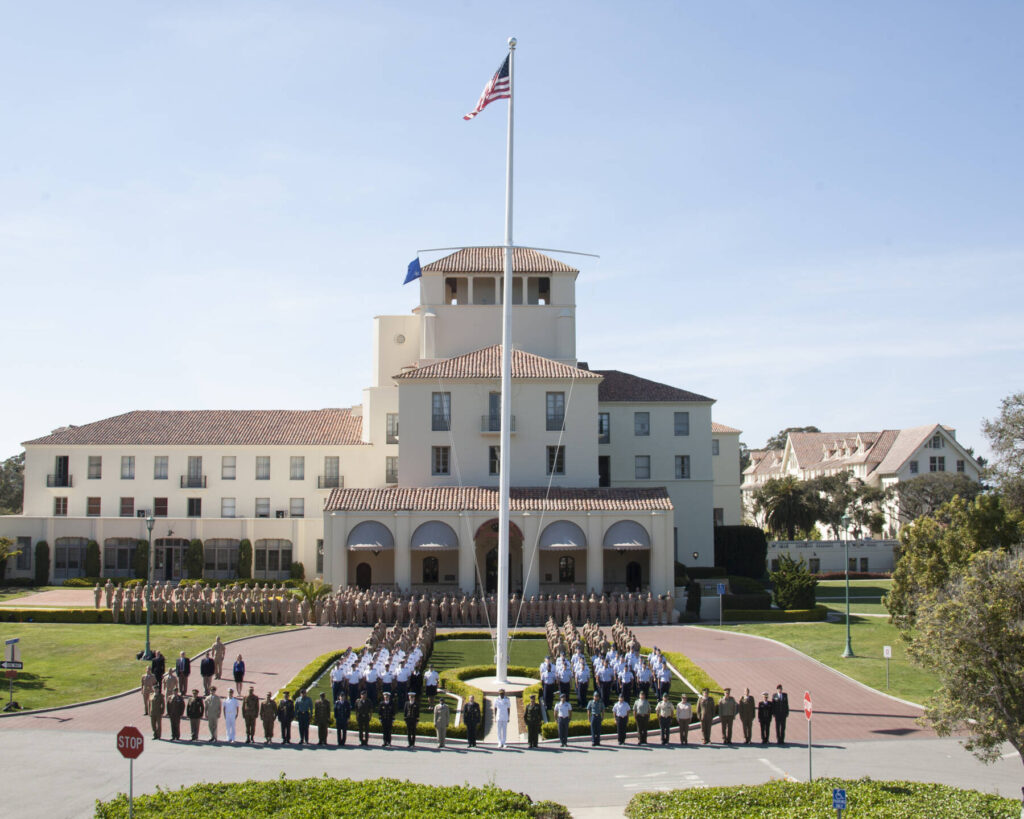
U.S. Navy photo by Javier Chagoya/Released
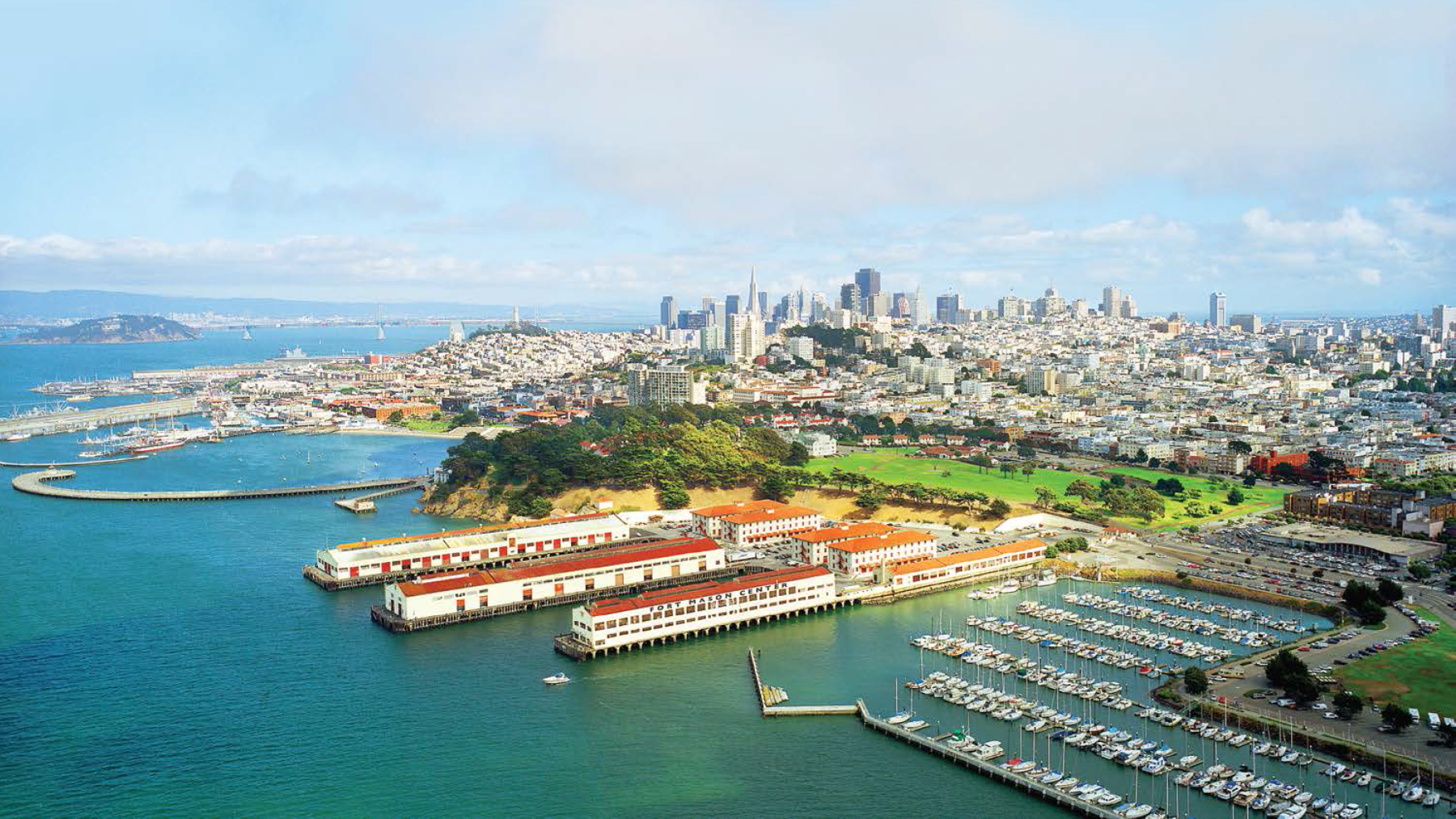
The Navy initially proposed demolishing the oldest surviving wings of Monterey’s Hotel Del Monte. Section 106 consultation produced a rehabilitation plan that preserved the historic buildings at approximately the cost of replacement construction.
Once these places are gone, they are gone.
Help ensure that the systems protecting our shared history are strengthened—not quietly dismantled.
Additional Information
- ACHP announcement on the proposed rulemaking
- National Trust Section 106 resource and advocacy center
- Introduction to the current Section 106 process
- Current Section 106 regulations: 36 CFR Part 800
Last updated: August 5, 2026. CPF will update this page when the proposed rule is formally published and the federal public-comment period begins.
About the Author
 The California Preservation Foundation is a network of more than 35,000 members and supporters who are committed to protecting our shared architectural and cultural heritage. We are a leader in preservation education and advocacy, responding to hundreds of requests for assistance and training more than 3,000 people each year.